SMA Syndrome
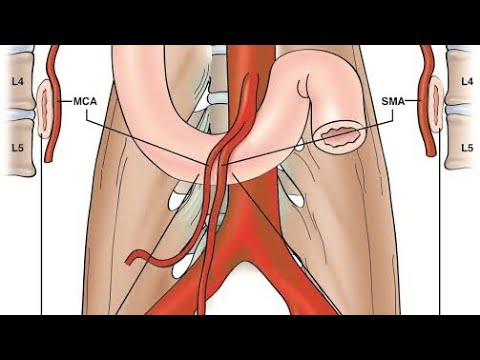
SMA Syndrome is a rare digestive system disorder. Superior Mesenteric Artery (SMA) Syndrome, also known as Wilkie syndrome, is a serious condition caused by the duodenum (the first part of the small intestine) becoming trapped between blood vessels.
What Is SMA?
SMA syndrome is a rare type of intestinal obstruction caused by the compression of the duodenum—the first part of the small intestine—between the aorta and the superior mesenteric artery. This compression can lead to symptoms such as nausea, vomiting, weight loss, and abdominal pain. Rapid weight loss, prolonged bed rest, or anatomical factors often contribute to the development of this syndrome.
Symptoms of SMA
Symptoms of SMA typically manifest as gastrointestinal complaints. The most common symptoms include:
- Severe nausea and the urge to vomit
- Bloating and indigestion after meals
- Constant vomiting, especially after meals
- Weight loss and loss of appetite
- Abdominal pain (especially in the upper abdomen)
- An increase in symptoms when lying down, which improves when lying on one’s side or with the knees drawn up to the chest
These symptoms can range from mild to severe, depending on the severity of the syndrome.
Diagnosis of SMA
The diagnosis of SMA is made through a careful clinical evaluation and imaging studies.
1) Diagnostic Process
The diagnostic process includes the following steps:
Medical history and physical examination:Detailed assessment of weight loss, dietary history, and symptoms.
Endoscopy:Evaluation of the narrowing in the duodenum.
Computed Tomography (CT) and MRI Angiography:Measurement of vascular angles and visualization of strictures in the duodenum.
Barium enema:A procedure to visualize the intestines and detect blockages.
Treatment Methods
Treatment for SMA varies depending on the severity of the condition.
Conservative (non-surgical) treatment
High-calorie diet and weight-gain diet
Gastric lavage via a nasogastric tube
Position therapy (side-lying or prone position)
Intravenous fluid and nutritional support
Surgical treatment
It is preferred when conservative treatments are ineffective.
The most common surgical procedure is laparoscopic duodenojejunostomy.
Preoperative Endoscopy for SMA Syndrome
In patients scheduled for surgery, preoperative endoscopy is of great importance. With endoscopy:
The constriction point of the duodenum is clearly visible.
Any accompanying conditions, such as gastritis or ulcers, are investigated.
Guidance for surgical planning is provided.
SMA Surgery
Surgery for SMA syndrome aims to relieve pressure on the duodenum between the superior mesenteric artery and the aorta. Today, minimally invasive techniques have replaced traditional open surgeries.
The general steps of the surgery are as follows:
The procedure is performed under general anesthesia.
Small incisions are made in the abdomen using a laparoscopic technique.
The obstructed portion of the duodenum is bypassed and connected to the jejunum.
This helps regulate the digestive system and eliminate blockages.
Surgical Treatment for SMA
The most commonly used method in surgical treatment is laparoscopic duodenojejunostomy. The advantages of this procedure are as follows:
- Less pain thanks to smaller incisions
- Rapid recovery process
- Shorter hospital stay
- A quick return to daily life
- Lower risk of complications
This method is the most commonly used surgical approach worldwide because it enhances both efficacy and patient comfort.
Laparoscopic Duodenojejunostomy
- Laparoscopic duodenojejunostomy is considered the gold standard for the treatment of SMA syndrome.
- The surgery typically lasts between 1 and 2 hours.
- Patients are usually able to get back on their feet within 2–3 days.
- Feeding is gradually introduced orally.
- The success rate is quite high, and symptoms largely disappear.
Frequently Asked Questions and Answers About SMA Treatment
1) Is SMA a fatal condition?
If left untreated, it can lead to serious nutritional deficiencies. However, surgical treatment improves quality of life.
2) Will the condition recur after surgery?
The recurrence rate is very low in successful surgical procedures.
3) When can I resume my normal diet after surgery?
Typically, the diet begins with liquid foods within a few days and gradually transitions to a normal diet.
4) Is the surgery risky?
Every surgery carries risks, but with the laparoscopic method, these risks are minimal.
5) Who is affected by SMA?
It is commonly seen in young adults, people who have experienced rapid weight loss, and those who have been sedentary for a long time.
SMA syndrome is a rare but potentially serious condition. When the symptoms of SMA syndrome are properly evaluated and an early diagnosis is made, the chances of successful treatment are quite high. In cases that do not respond to conservative treatments, SMA syndrome surgery—particularly laparoscopic duodenojejunostomy—is the most effective and safe solution. When performed by experienced surgeons at specialized centers, patients can recover their health in a short period of time.