

"Stomach Botox"
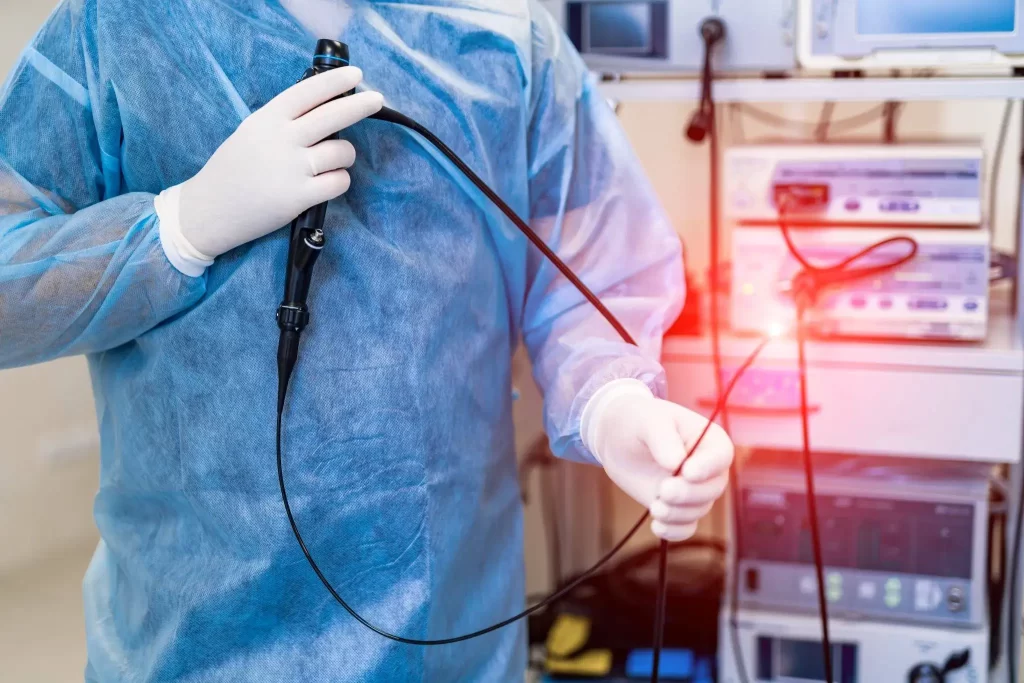
Gastric Botox is a non-surgical treatment method that has gained popularity in recent years among those looking to lose weight. This procedure involves injecting botulinum toxin into the stomach muscles, which slows down stomach emptying and helps control appetite. However, this method is not suitable for everyone, and there are potential side effects to be aware of. In this article, you can find answers to questions such as who is eligible for stomach Botox, what the side effects are, and the details of the procedure.
Who Is Eligible for Gastric Botox?
Gastric botulinum toxin injections may be an option for people struggling to lose weight as part of theirobesitytreatment. However, there are certain criteria that must be met for this procedure to be performed:
- Body Mass Index (BMI): It is generally recommended for people with a BMI between 25 and 35. It is an ideal method for individuals who do not have a BMI high enough to require bariatric surgery but are unable to lose weight through diet and exercise.
- General Health: Stomach Botox can be performed more safely in individuals who do not have serious health issues and are in good overall health.
- Diet and Exercise: This approach is recommended for individuals who have tried to lose weight through diet and exercise but have been unsuccessful. In other words, gastric botulinum toxin injections yield more effective results when combined with a lifestyle change.
- Psychological Condition: Individuals who need psychological support for weight-related issues may also benefit from this method. However, it is not recommended for people with serious psychological conditions, such as eating disorders.
Are There Any Side Effects of Stomach Botox?
As with any medical procedure, stomach Botox may have someside effects. However, these side effects are generally mild and temporary:
- Nausea: The most common side effect is nausea. This discomfort may occur because botulinum toxin slows down the movement of the stomach muscles.
- Mild Abdominal Pain: You may experience mild pain or discomfort at the injection site. This is usually short-lived and mild.
- Constipation: A slowing of gastrointestinal motility can sometimes lead to constipation. This condition can be alleviated by eating fiber-rich foods and drinking enough water.
- Temporary Loss of Appetite: Botox may reduce your appetite. While this is an intended effect of the treatment, it can be excessive in some people.
Side effects rarely become severe and usually disappear shortly after the procedure. However, it is important to consult a healthcare professional immediately if an unexpected side effect occurs.
Does Gastric Bypass Surgery Help You Lose Weight?
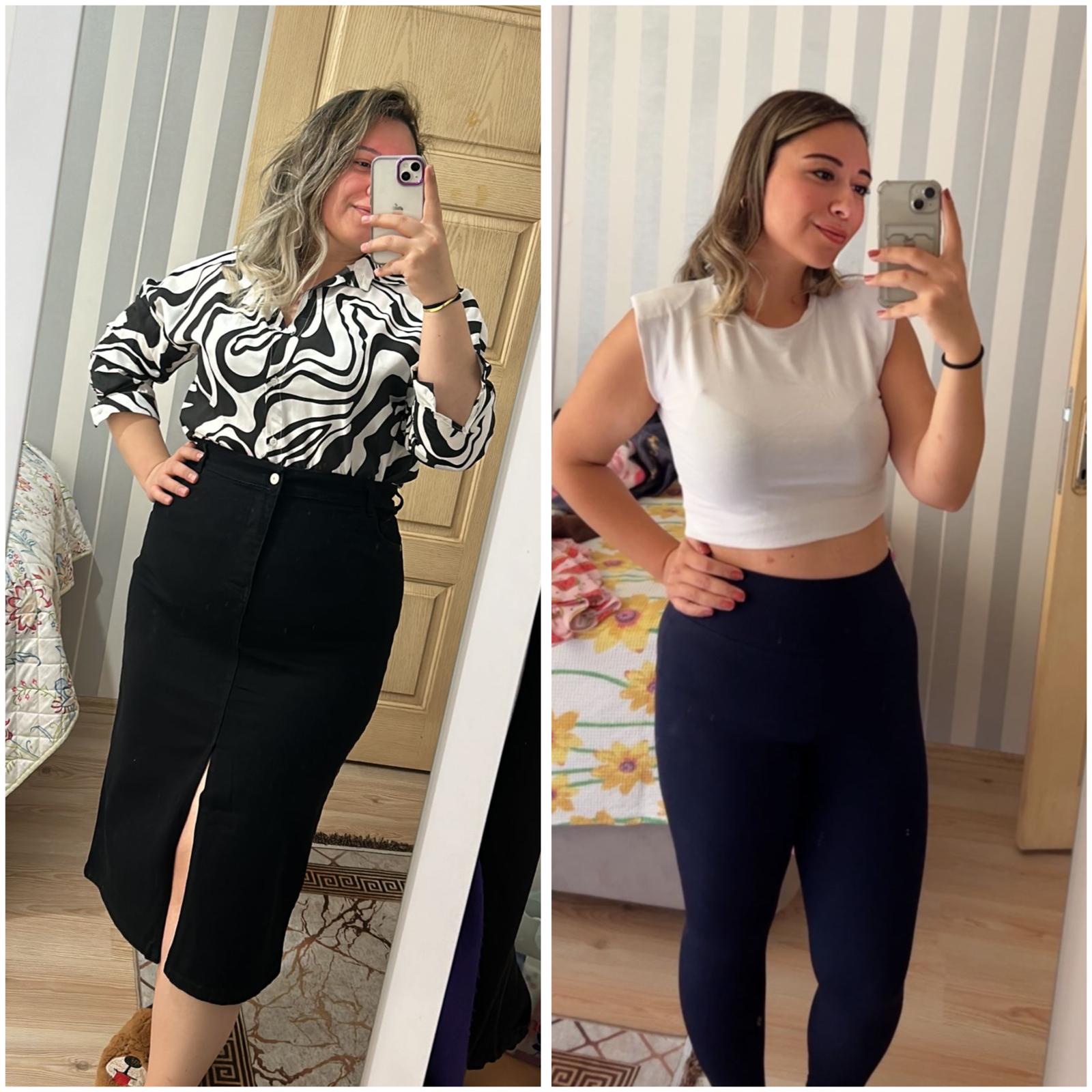
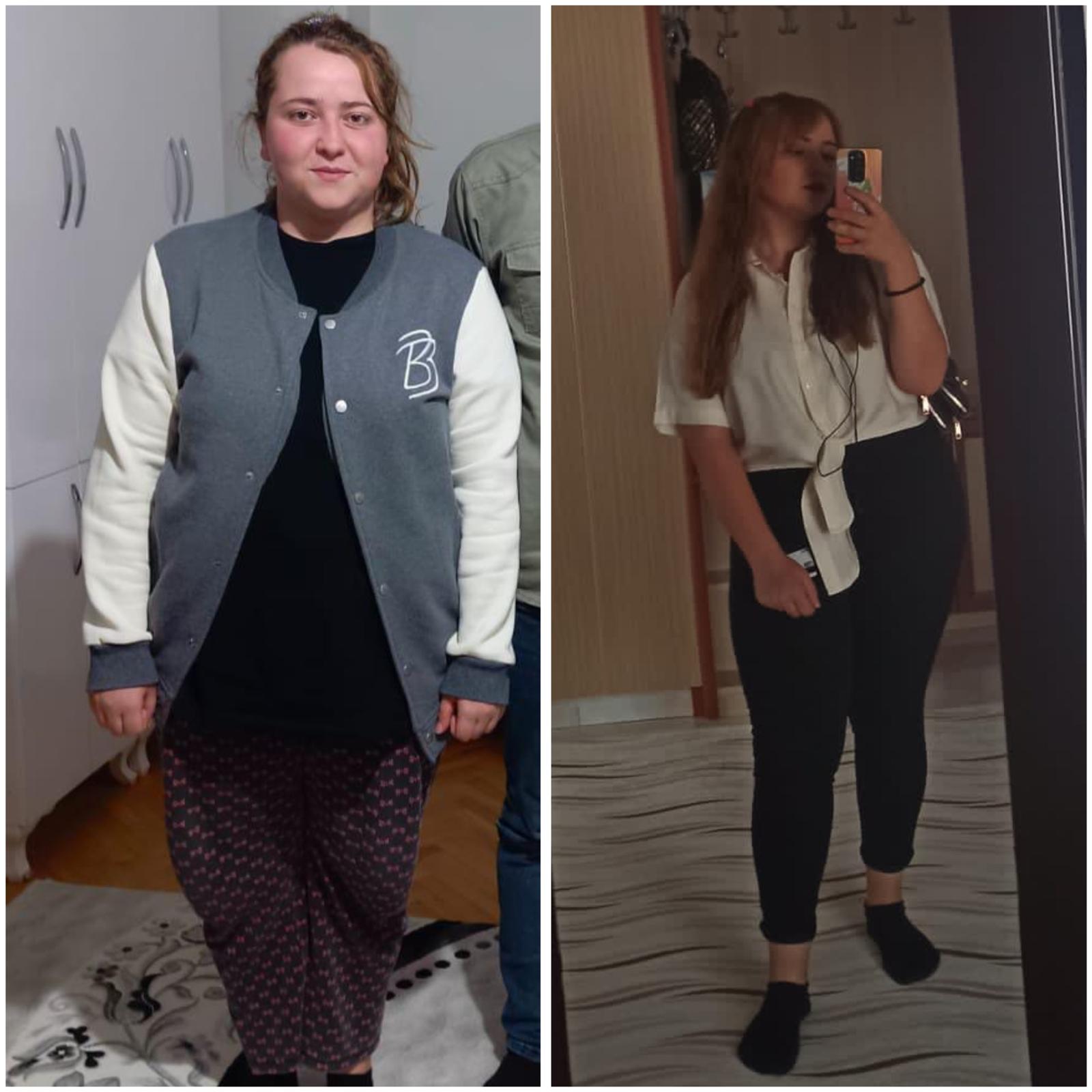
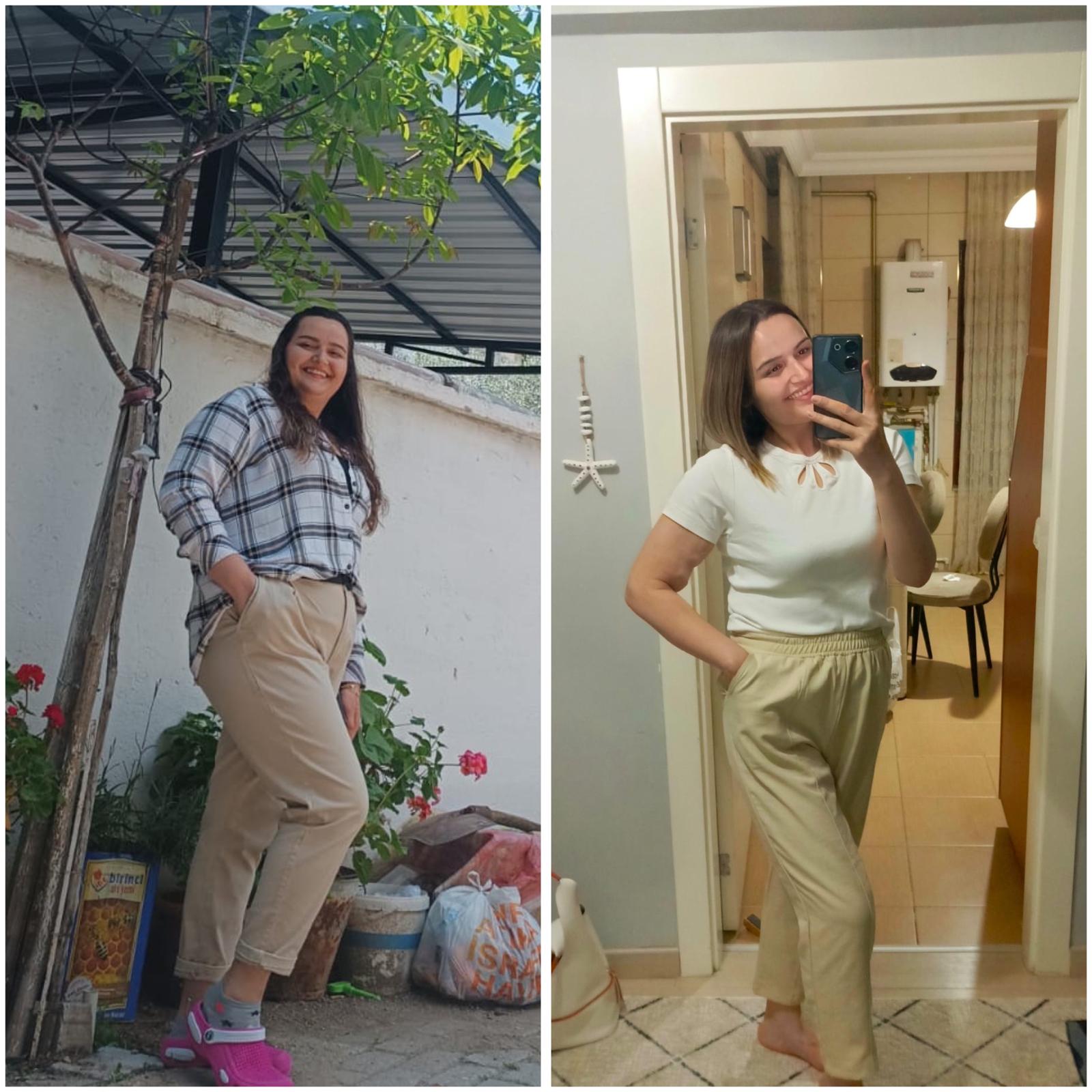
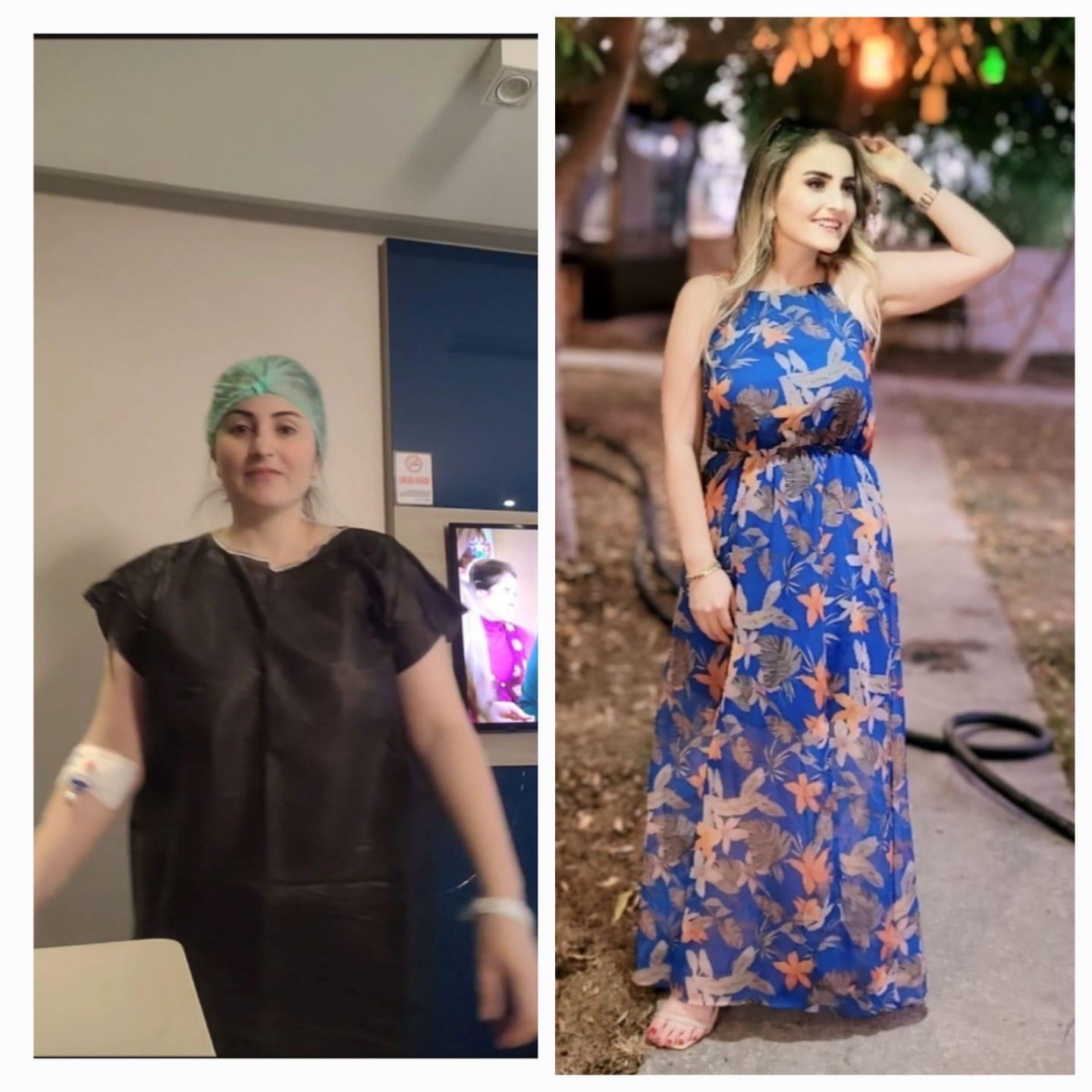
Gastric botulinum toxin injections can help with weight loss, but they are not a miracle solution on their own. The procedure’s effect on weight loss is due to its ability to slow stomach emptying and reduce appetite. As a result, the person feels less of a need to eat, and the weight loss process may accelerate.
However, adhering to a healthydietandexerciseprogram is essential after gastric botulinum toxin treatment. Even if appetite decreases due to the effects of the treatment, the desired results may not be achieved without changing eating habits and increasing physical activity. Studies have shown that gastric botulinum toxin treatment is an effective weight-loss method when supported by an appropriate diet and exercise regimen.
How Long Does a Gastric Bypass Surgery Take?
A gastric botulinum toxin procedure is typically a short procedure. It can be completed in 20 to 30 minutes and is usually performed under sedation. The steps of the procedure are as follows:
- Endoscopy Preparation: First, an endoscopy is performed to examine the patient’s stomach and check for any issues.
- Botox Injection: Botulinum toxin is injected into the stomach muscles using an endoscopic technique. This toxin slows down the contraction rate of the stomach muscles and delays gastric emptying.
- Post-Procedure Monitoring: After the procedure, the patient is monitored for a short time and is usually discharged the same day.
The duration of the procedure and the subsequent recovery period may vary depending on the patient’s overall health and the specifics of the procedure. However, this procedure is typically painless and completed quickly.
Does Gastric Botox Cause Permanent Damage to the Stomach?
Since stomach Botox is a non-invasive procedure, it generally does not causepermanent damage. Botulinum toxin is absorbed by the body over time, and its effects wear off. This process typically lasts between 4 and 6 months.
Gastric Botox temporarily slows down the function of the stomach muscles; this does not damage the stomach tissue. However, the gastric Botox procedure must be performed by a qualified doctor, and all necessary precautions must be taken. Improper administration can lead to unwanted outcomes, so it is important that this procedure be performed by an experienced physician.
How Long Does the Effect of Stomach Botox Last?
The effects of gastric Botox vary from person to person but generally last between 4 and 6 months. At the end of this period, the effects of Botox begin to wear off and the stomach muscles return to normal function.
Once the effects of Botox wear off, if the person reverts to their old eating habits, the weight lost may be regained. For this reason, adopting healthy lifestyle habits in the period following gastric Botox is extremely important.
If the desired results have not been achieved or if the patient is not satisfied with the treatment, the procedure may be repeated upon the doctor’s recommendation. However, it is important to remember that a certain amount of time must elapse between repeat procedures.
What Should You Be Aware Of After Stomach Botox?
There are some important points to keep in mind after gastric botulinum toxin treatment. These guidelines are recommended to enhance the treatment’s effectiveness and minimize potential side effects:
- Eating Habits: After the procedure, your appetite may decrease due to the effects of gastric botulinum toxin. To turn this situation to your advantage, it is important to adopt a healthy and balanced diet. You should opt forhigh-fiber foods,proteins, andlow-calorieoptions.
- Fluid Intake: Due to the slowing of the digestive process caused by the toxin, the body may become more prone to fluid loss. For this reason, it is recommended to drink plenty of water.
- Exercise: While stomach Botox supports the weight loss process, combining it with exercise can lead to more lasting results. Light walks or a regular exercise routine can help accelerate weight loss.
- Regular Follow-Up: It is important not to miss your post-procedure doctor’s appointments. Your doctor will monitor the progress of your treatment and may provide additional recommendations as needed.
- Alcohol and Smoking: Alcohol and tobacco use can negatively affect the results of stomach Botox. Therefore, it is recommended to avoid these habits during the post-procedure period.
Following these guidelines in the post-procedure period can enhance the success of the procedure and help ensure the long-term effectiveness of the results.
Gastric botulinum toxin injections are an effective and minimally invasive method that supports the weight loss process. This procedure may be a good option, particularly for individuals who struggle to lose weight through diet and exercise alone. However, for gastric botulinum toxin injections to be effective, they must be supported by a healthy diet and regular exercise. Side effects are generally mild and temporary, but it is important to follow the doctor’s instructions before and after the procedure. Whilestomach Botox is not a permanent weight loss solution, successful results can be achieved when performed correctly.