

"Sleeve Gastrectomy – Stomach Reduction"
Sleeve Gastrectomy – Stomach Reduction Surgery
Gastric sleeve surgery is one of the most commonly chosen surgical methods for treating obesity today. In this article, you will find comprehensive information about what gastric sleeve (stomach reduction) surgery is, how it is performed, who it is suitable for, its benefits, risks, costs, and frequently asked questions.
What Is Gastric Sleeve (Gastric Reduction) Surgery?
Sleevegastrectomy, also known asgastric sleeve surgery, is a procedure in which a large portion of the stomach is surgically removed. During this surgery, the stomach is reshaped into a long, narrow tube. This helps the patient feel full after eating smaller portions, thereby reducing calorie intake. Sleeve gastrectomy is a widely used method in the treatment of morbid obesity and is noted for its successful outcomes.
How Is Gastric Sleeve (Gastric Reduction) Surgery Performed?
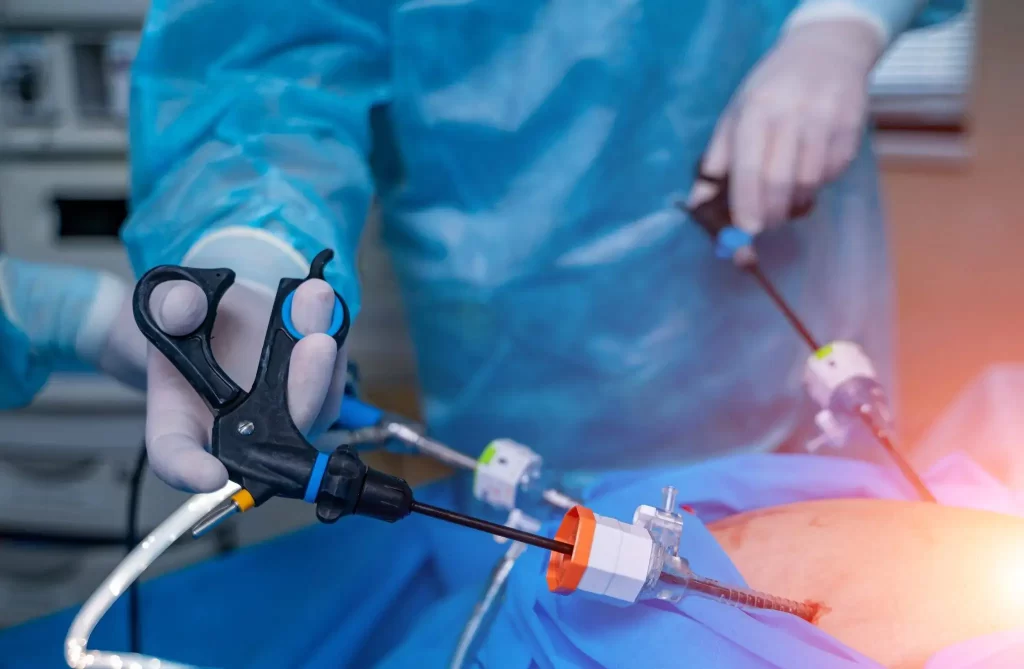
Gastric sleeve surgery is typically performedusing a laparoscopic technique. This method is a minimally invasive surgical technique that involves making small incisions. Here’s a step-by-step explanation of how gastric sleeve surgery is performed:
Anesthesia: The surgery is performed under general anesthesia.
Incisions: Several small incisions are made in the abdomen.
Laparoscope and Surgical Instruments: The laparoscope and other surgical instruments are inserted through these incisions.
Removal of the Stomach: Approximately 75–80% of the stomach is surgically removed, and the remaining portion is sutured into a tube-like shape.
Check and Completion: Postoperative bleeding and leakage are checked, and the incisions are closed.
This procedure usually takes 1 to 2 hours, and patients typically stay in the hospital for a few days.
Who Is Eligible for Sleeve Gastrectomy? (What Are the Criteria for Sleeve Gastrectomy?)
Gastric sleeve surgery is generally recommended in the following cases:
- Morbid Obesity: Individuals with a body mass index (BMI) of 40 or higher.
- BMI 35–40: Individuals with a BMI between 35 and 40 who are experiencing health issues related to obesity (diabetes, hypertension, sleep apnea, etc.).
- Failure of Other Methods: Situations where other weight-loss methods, such as diet and exercise, have failed.
- Good General Health: Individuals in good enough general health to undergo surgery.
- Those who are psychologicallyready for surgery
- People aged 18to 65
- Individuals who do not have any health issues that would prevent them from undergoing general anesthesiaor surgery
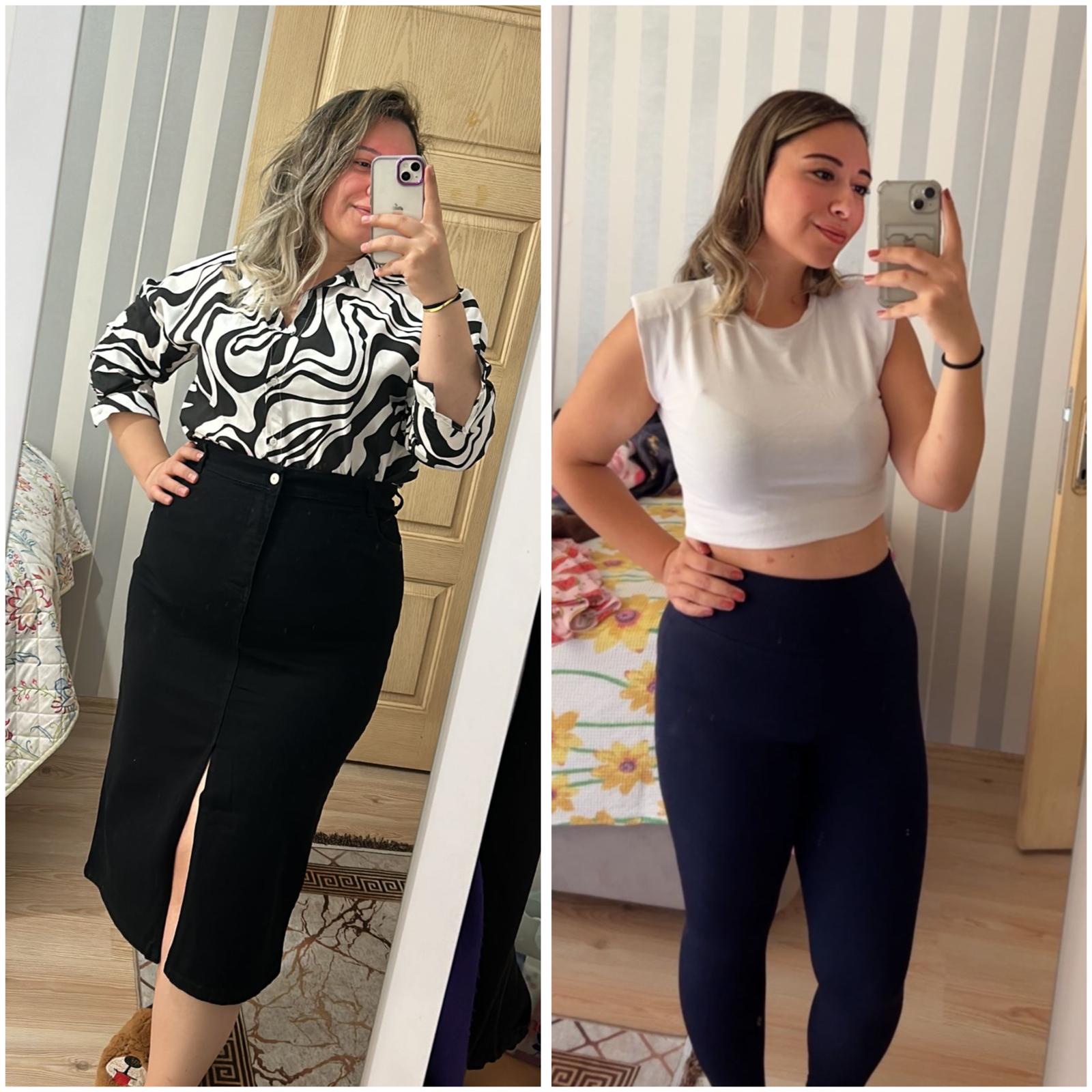
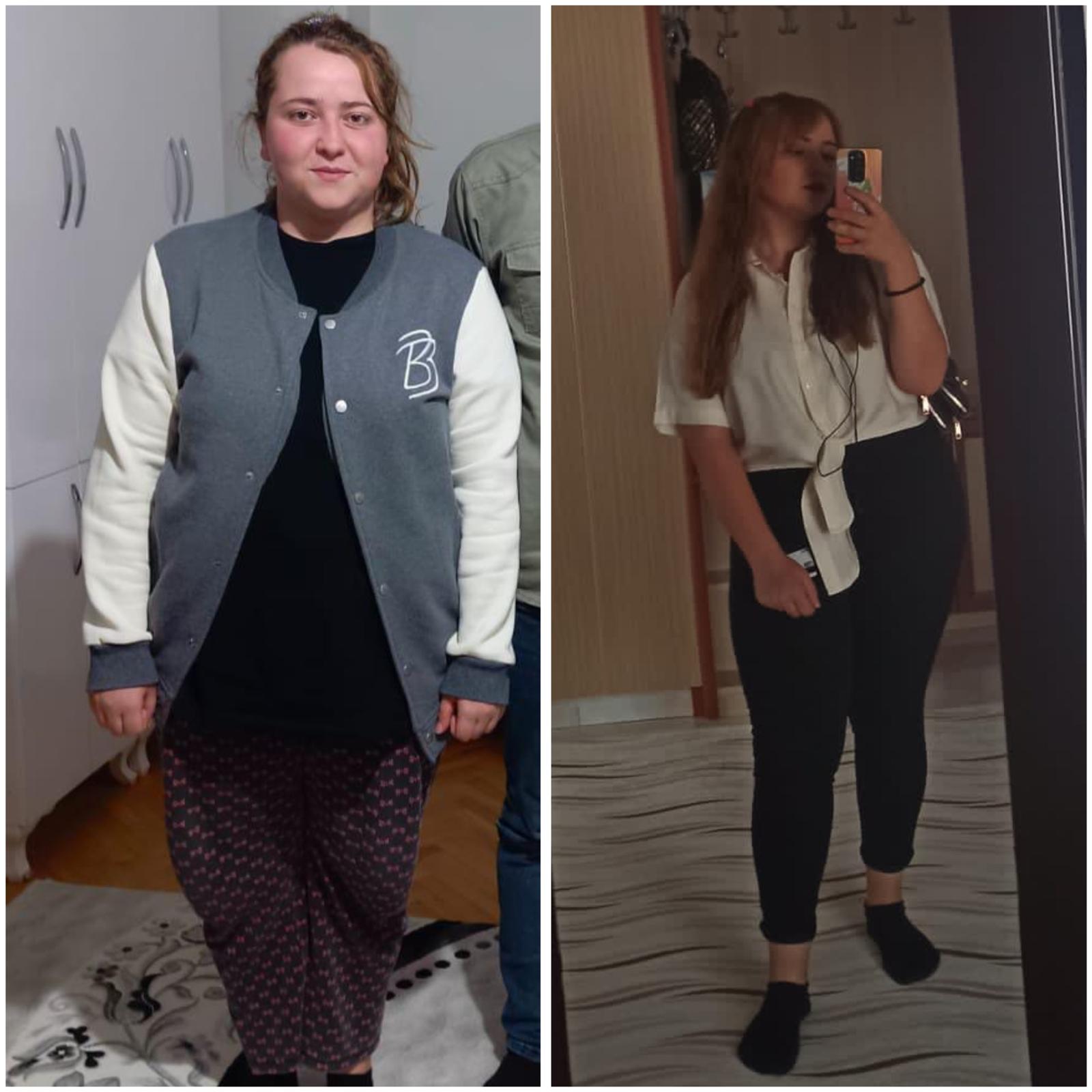
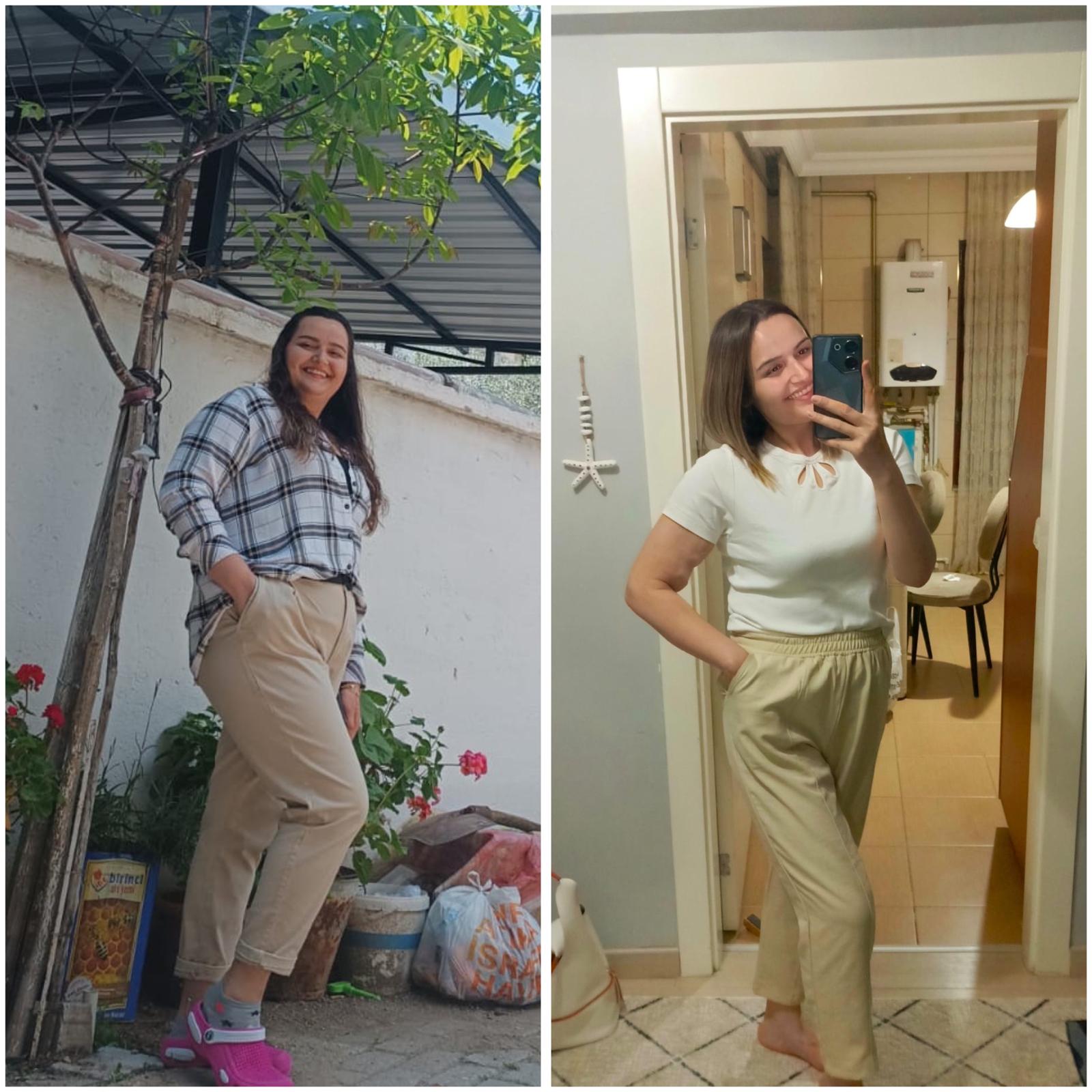
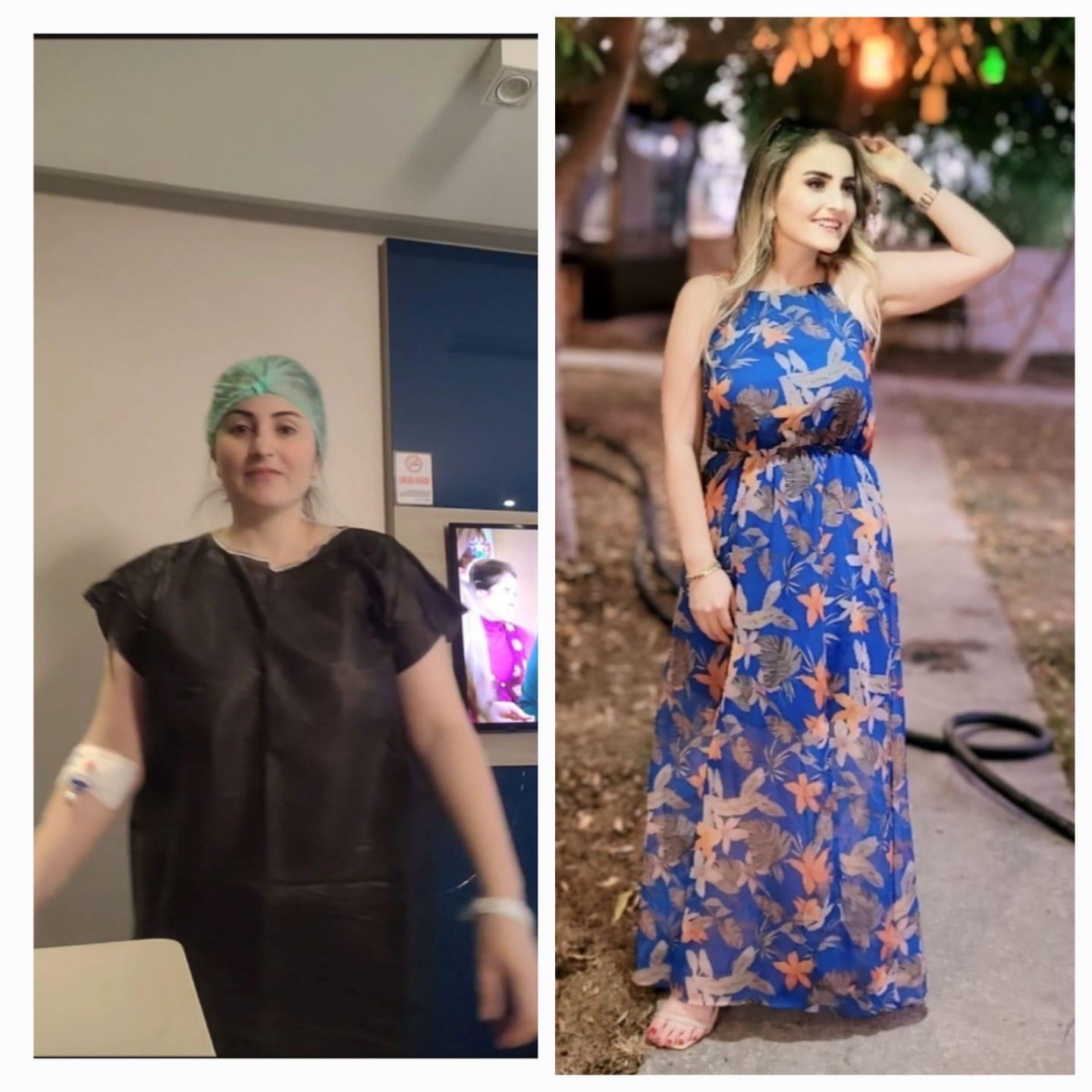
How Much Weight Can You Lose with Gastric Sleeve Surgery?
Weight loss following bariatric surgery can vary from person to person; however, the overall results are quite satisfactory. On average:
- In the first month:You may lose approximately 10–15% of your body weight.
- In the first 3 months:Total weight loss can reach 20–25%.
- By the end of one year:60–70% of excess weight can be lost.
Example:A person weighing 120 kg may lose an average of 35–45 kg within one year following surgery.
The Benefits of Gastric Sleeve (Gastric Reduction) Surgery
- It promotes long-term weight loss.
- Improvements are observed in obesity-related conditions such as type 2 diabetes, sleep apnea, and hypertension.
- Thanks to the laparoscopic method, patients experience faster recovery and fewer complications.
- The feeling of hunger decreases
- Quality of life and self-confidence improve
What Are the Risks of Gastric Sleeve Surgery?
- General surgical risks (infection, bleeding, anesthesia-related complications)
- Vitamin and mineral deficiencies
- Temporary bloating, nausea, and vomiting
These risks can be minimized when the procedure is performed by experienced surgeons.
Things to Keep in Mind After Gastric Sleeve Surgery
- A liquid diet for the first two weeks after surgery.
- Transition to purees and soft foods in the next stage.
- Regular vitamin and mineral supplements.
- Regular follow-up under the supervision of a dietitian and surgeon.
- Avoid smoking and drinking alcohol.
Dietitian Support After Gastric Sleeve Surgery
Dietitian support following gastric sleeve surgery is vital for healthy and sustainable weight loss. Properly adjusting dietary habits after surgery not only accelerates the recovery process but also increases the likelihood of long-term success. Dietitians create personalized nutrition plans tailored to the individual’s needs, preventing vitamin and mineral deficiencies, ensuring portion control, and improving quality of life. Professional dietitian follow-up is one of the most critical components of the process for everyone who has undergone gastric sleeve surgery.
Cost of Sleeve Gastrectomy
Gastric sleeve surgery involves procedures that vary from person to person. This is because every individual’s overall health, body type, and expectations are different. For this reason, it is not possible to provide a direct or average figure regarding the cost of gastric sleeve surgery. Before providing a price for gastric sleeve surgery, the specialist surgeon must conduct a comprehensive evaluation. Following this evaluation, the patient is informed about both the specifics of the surgery and the associated costs.
The cost of gastric sleeve surgery may vary depending on the hospital’s healthcare services, the surgeon’s experience, and other services provided to the patient.
Frequently Asked Questions About Gastric Sleeve Surgery
How Long Does Gastric Sleeve Surgery Take?
It usually takes between 1 and 2 hours.
How Many Days Do You Stay in the Hospital After Gastric Sleeve Surgery?
Patients typically stay in the hospital for 2 to 3 days.
When Can I Return to My Normal Life After Gastric Sleeve Surgery?
A return to work and social life usually takes place within 7 to 10 days.
How Much Weight Will I Lose After Gastric Sleeve Surgery?
It is possible to lose 60–70% of excess weight in the first year.
Will There Be Scars on the Body After Gastric Sleeve Surgery?
Thanks to the laparoscopic method, scarring is minimal.
Does Skin Sagging Occur After Gastric Sleeve Surgery?
Rapid weight loss can lead to sagging skin. This can be corrected through exercise and, if necessary, cosmetic surgery.
Is Weight Gain Possible After Gastric Sleeve Surgery?
Yes, poor diet and lack of exercise can lead to weight regain. Regular follow-up is important.
Gastric sleeve surgery is an effective method with a high success rate in the treatment of obesity. However, proper patient selection before surgery and lifestyle changes afterward are critical to success. Accessing accurate information about gastric sleeve surgery ensures a more informed and safer process.