





"Bile Duct Cancer"
What Is Bile Duct Cancer?
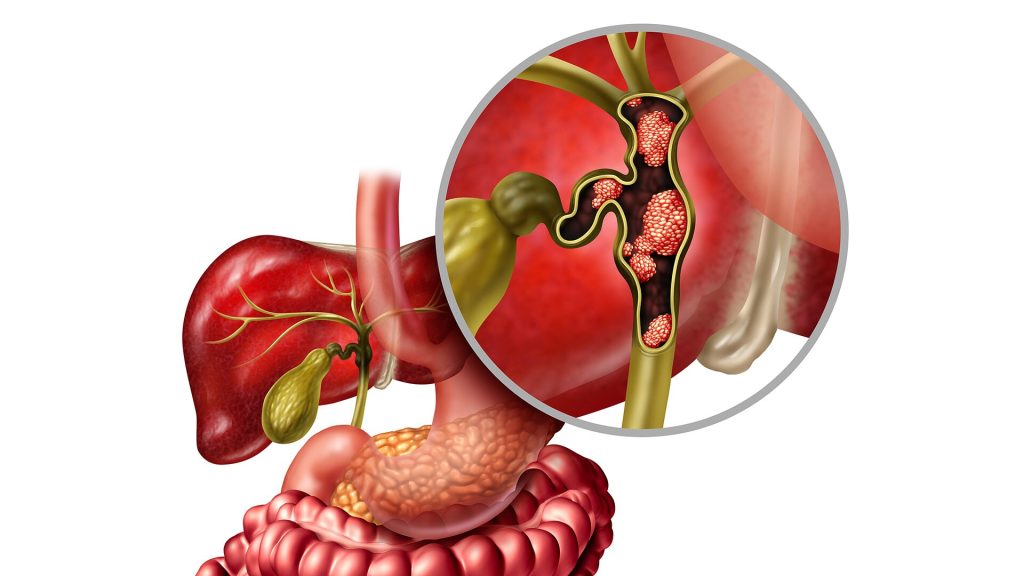
What is bile duct cancer?Bile ductcancer refers to malignant tumors that develop in the gallbladder and bile ducts, and early diagnosis can save lives. In this article, we will provide comprehensive information aboutbile duct cancer, covering everything from the types of the disease to its symptoms, causes, and treatment methods. Prepared using the latest medical approaches as of 2025, this guide aims to provide you with clear and reliable information aboutbile duct cancer. Keep reading to learn everything you want to know about this serious health issue!
What Is Bile Duct Cancer and Why Is It Important?
Bile duct cancer refers to malignant (cancerous) tumors that originate in the gallbladder or bile ducts. Bile is a fluid produced by the liver that aids in the digestion of fats. This fluid travels through the bile ducts to the gallbladder and from there to the intestines. However, cancerous cells that develop along this pathway can lead to serious health problems. If not diagnosed early,bile duct cancercan progress rapidly and spread to surrounding tissues. Therefore, knowing the symptoms and risk factors of the disease is critical for early intervention.
What Are the Types of Bile Duct Cancer?
Bile duct cancer is classified into different types based on its location and cell type.Themost commontypes of bile duct cancerare listed below:
- Klatskin Tumor (Perihilar Cancer):It develops at the junction of the bile ducts within the liver. It is the most common type.
- Distal Bile Duct Cancer:It develops in the portion of the bile duct near the pancreas.
- Intrahepatic Bile Duct Cancer:It originates in the small bile ducts within the liver.
- Gallbladder Cancer:A type of cancer that develops in the gallbladder and is often diagnosed at a late stage.
Each type requires a different treatment approach, and early diagnosis improves treatment outcomes.
What Causes Bile Duct Cancer?
Various risk factors play a role in the development of bile duct cancer. Although the exact cause is not always known, certain factors increase the risk of developing the disease:
- Chronic Inflammation:Long-term inflammation of the bile ducts (e.g., primary sclerosing cholangitis) increases the risk of cancer.
- Gallstones:Large or chronic gallstones are associated with gallbladder cancer.
- Genetic Predisposition:The risk is higher in individuals with a family historyof bile duct cancer.
- Liver Diseases:Conditions such as cirrhosis or hepatitis can increase the riskofintrahepaticbile duct cancer.
- Age and Gender:It is more common in individuals over the age of 60 and in women.
- Obesity and Diabetes:Metabolic disorders can increase the risk of cancer.
These factors play a significant role in the developmentof bile duct cancer. However, the presence of risk factors does not necessarily mean that cancer will develop.
What Are the Symptoms of Bile Duct Cancer?
Bile duct cancerusually does not cause symptoms in the early stages, which makes diagnosis difficult. However, as the disease progresses, certain noticeable symptoms begin to appear:
- Jaundice:Yellowing of the skin and eyes caused by an obstruction of bile flow.
- Itching:A severe itching sensation occurs due to the buildup of bile salts in the skin.
- Abdominal Pain:Pain or discomfort, especially in the upper right abdomen.
- Weight Loss:Unexplained weight loss and loss of appetite.
- Fever and Fatigue:Chronic fatigue and fever may occur as the disease progresses.
- Dark-colored urine and pale-colored stools:A blockage in bile flow causes these symptoms.
If you notice one or more of these symptoms, you should consult a healthcare professional without delay. Early diagnosis increases the chances of successful treatment forbile duct cancer.
How Is Bile Duct Cancer Diagnosed?
A diagnosis of bile duct canceris typically made using a combination of multiple methods. Experts such as Assoc. Prof. Dr. Mesut SİPAHİ ensure an accurate diagnosis by using the following methods:
- Blood Tests:Liver function tests and tumor markers (e.g., CA 19-9) are evaluated.
- Imaging Methods:Methods such as ultrasound, CT (computed tomography), and MRCP (magnetic resonance cholangiopancreatography) are used.
- Endoscopic Procedures:ERCP (endoscopic retrograde cholangiopancreatography) allows for a detailed examination of the bile ducts and the collection of biopsy samples.
- Biopsy:A sample is taken from the suspicious tissue and examined under a microscope.
These methods provide high accuracy in the diagnosis ofbile duct cancer. Early diagnosis is a critical step in treatment planning.
How Is Bile Duct Cancer Treated?
Treatment for bile duct canceris determined based on the stage of the cancer, its location, and the patient’s overall health. Treatment options include:
- Surgical Intervention:In the early stages, surgical removal of the tumor is the most effective treatment. A Whipple procedure or liver resection may be performed.
- Radiation therapy:High-energy rays are used to destroy cancer cells.
- Chemotherapy:Drug therapy is administered to stop or slow the growth of cancer cells.
- Targeted Therapies:These are innovative treatments that target specific genetic changes in cancer cells.
- Palliative Care:It is provided in the advanced stages to alleviate symptoms and improve quality of life.
The treatment plan is tailored by a team of specialists inbile duct cancer. Experienced physicians such as Assoc. Prof. Dr. Mesut SİPAHİ adopt a multidisciplinary approach to determine the most appropriate treatment method.
What Can Be Done to Prevent Bile Duct Cancer?
There are steps you can take to reduce your risk of bile duct cancer:
- Healthy Eating:A balanced diet reduces the risk of obesity and diabetes.
- Regular Checkups:If you are in a high-risk group, be sure to get regular health checkups.
- Avoiding Alcohol and Tobacco:These substances can have adverse effects on the liver and bile ducts.
- Management of Chronic Conditions:Conditions such as hepatitis or gallstones must be kept under control.
While these measures may not completely eliminate the risk ofbile duct cancer, they can significantly reduce it.
Bile duct cancer is a manageable disease when diagnosed early and treated properly. Seeking immediate consultation with a specialist upon noticing symptoms increases the likelihood of successful treatment. Experts like Assoc. Prof. Dr. Mesut SİPAHİ offer a ray of hope to their patients through modern diagnostic and treatment methods. Being informed aboutbile duct cancerby 2025 is your strongest weapon against this disease.