





"Biliary Tract Strictures"
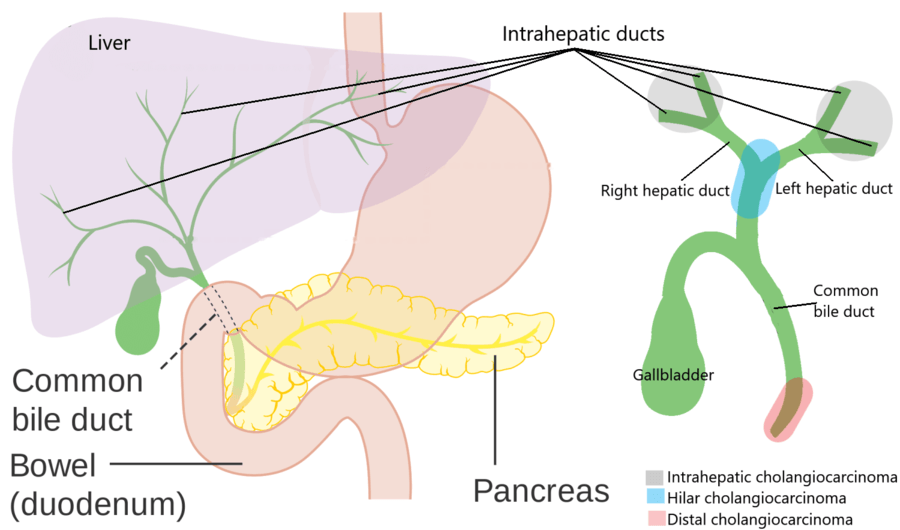
What Are Bile Duct Strictures?
Bile duct strictures are conditions that obstruct the flow of bile and can affect the health of the liver, gallbladder, and pancreas. This condition typically arises due to blockages or narrowing in the bile ducts and can lead to serious health problems. By2025, the management of this condition has become more effective thanks to the diagnostic and treatment methods offered by modern medicine. In this article, we will provide detailed information aboutbile duct strictures, covering their causes, symptoms, diagnostic methods, and important considerations. Our goal is to serve as a guide for our readers by answering all their questions on this topic.
What Causes Bile Duct Strictures?
Bile duct strictures can result from various causes and are typically caused by a combination of multiple factors. Here are the most common causes:
- Gallstones: Stones that form in the gallbladder or bile ducts can cause blockages.
- Chronic inflammation: Inflammatory conditions such as pancreatitis or cholangitis can lead to the formation of scar tissue in the bile ducts.
- Surgical complications: Improper healing, particularly following gallbladder surgery, can lead to strictures.
- Tumors: Benign or malignant tumors that form in the bile ducts or in nearby organs can compress the ducts.
- Congenital abnormalities: In some people, the bile ducts may be narrow from birth.
- Parasitic infections: Especially in developing countries, parasites can block the bile ducts.
These factors can lead to serious complications by obstructing bile flow. Early diagnosis plays a critical role in managing this condition.
What Symptoms Are Caused by Bile Duct Strictures?
Bile duct strictures cause various symptoms by obstructing the flow of bile. These symptoms can significantly affect the patient’s quality of life. The most common symptoms include:
- Jaundice: Yellowing of the skin and eyes caused by the buildup of bile pigments.
- Abdominal pain: Pain felt primarily in the upper right abdomen.
- Fever and chills: These may occur in cases of infection or inflammation.
- Itching: Itching may develop due to the buildup of bile salts in the skin.
- Dark-colored urine and pale-colored stool: Color changes occur due to impaired bile flow.
- Fatigue and weakness: You may feel a general lack of energy.
These symptoms can range from mild to severe, depending on the severityof the bile duct obstruction. Symptoms such as jaundice and fever, in particular, may require urgent medical attention.
How Is Biliary Tract Stenosis Diagnosed?
Biliary tract stricturescan be diagnosed quickly using modern imaging techniques and laboratory tests. The methods used in the diagnostic process include:
- Blood tests: Liver function tests detect problems with bile flow.
- Ultrasound: Visualizes blockages or stones in the bile ducts.
- MRCP (Magnetic Resonance Cholangiopancreatography): Provides detailed images of the bile ducts.
- ERCP (Endoscopic Retrograde Cholangiopancreatography): It is used for both diagnostic and therapeutic purposes.
- CT scan: Can detect tumors or other structural abnormalities.
These methods are effective in determining the cause and severityof bile duct strictures. Associate Professor Mesut Sipahi emphasizes that the proper application of such diagnostic methods increases the success of treatment.
When Should Biliary Tract Obstructions Be Taken Seriously?
Bile duct obstructions can develop into a serious health problem that may require emergency treatment in some cases. The following situations require immediate medical attention:
- Severe jaundice: Noticeable yellowing of the skin and eyes is a sign of a serious blockage.
- High fever and chills: These are signs of a potential infection.
- Severe abdominal pain: Especially if the pain becomes unbearable.
- Weight loss and loss of appetite: These may be symptoms of a serious condition, such as a tumor.
These symptoms indicate thatbile duct stricturescan lead to complications. Early intervention reduces the risk of permanent damage and facilitates the treatment process.
Conditions That Can Be Confused With Biliary Tract Strictures
Bile duct strictures can be mistaken for other health issues based on their symptoms. For this reason, an accurate diagnosis is of great importance. Conditions that may be confused with bile duct strictures include:
- Pancreatitis: Inflammation of the pancreas can cause symptoms such as abdominal pain and jaundice.
- Liver diseases: They may present with symptoms such as hepatitis, cirrhosis, jaundice, and fatigue.
- Gallbladder inflammation (cholecystitis): Inflammation caused by gallstones can produce symptoms similar to those of a blockage.
- Stomach ulcers or gastritis: Symptoms such as abdominal pain can be mistaken for bile duct strictures.
Associate Professor Mesut Sipahi emphasizes that a thorough medical evaluation is essential in such cases. A misdiagnosis can delay treatment and increase the risk of complications.
What Should People with Biliary Tract Stenosis Be Aware Of?
People with bile duct stricturesshould take certain precautions both during treatment and in their daily lives. Here are the key points to keep in mind:
- Dietary recommendations: Avoid fatty and heavy foods; opt for light, easily digestible foods.
- Regular doctor visits: Regular checkups are essential for monitoring the treatment process.
- Medication use: Medications prescribed by your doctor should be taken regularly; you should not change your medication on your own.
- Avoid alcohol and cigarettes: These substances can have adverse effects on the liver and bile ducts.
- Physical activity: Light exercise supports overall health, but you should avoid overexertion.
These measures can help reduce the adverse effectsof bile duct stricturesand improve quality of life. Additionally, you should consult a doctor immediately if any new symptoms arise.
Bile duct strictures are a medical condition that can be managed with early diagnosis and proper treatment. By recognizing the symptoms and understanding the risk factors, it is possible to prevent this condition from leading to serious complications. As Assoc. Prof. Dr. Mesut Sipahi emphasizes,bile duct stricturescan be effectively treated using the advancements offered by modern medicine. It is of great importance for our readers to be aware of the symptoms and to consult a specialist when necessary.