




"Gallstones"
What Are Gallstones?
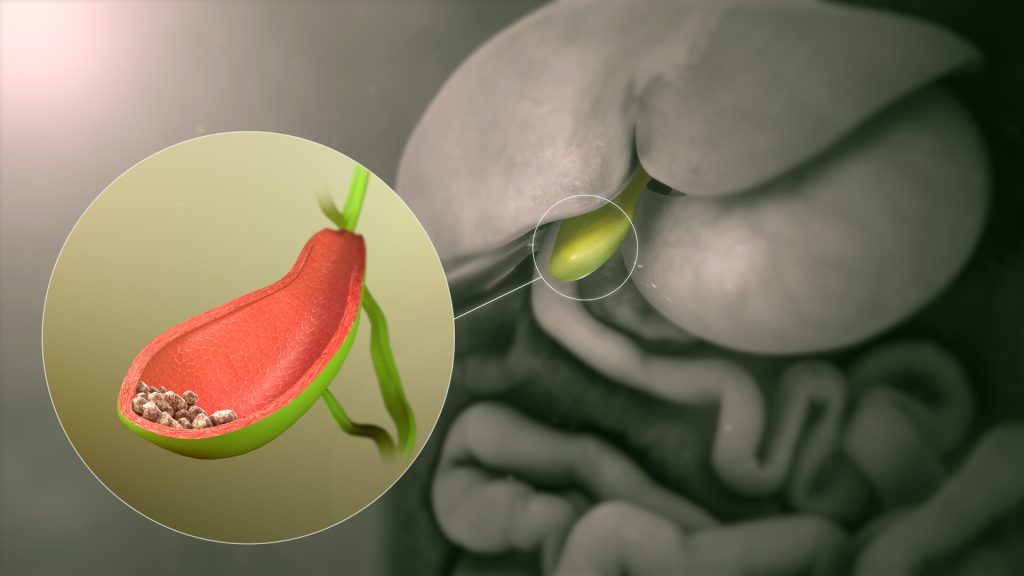
Gallstones are hard, crystal-like structures that form in the gallbladder and are typically caused by the buildup of cholesterol or bilirubin. This condition can affect the function of the gallbladder, which plays a vital role in the digestive system. Whilegallstones can often exist without causing symptoms, they can also lead to severe pain and complications. In this article, we will thoroughly discuss topics such as whatgallstonesare, why they form, what their symptoms are, and how they are treated. By sharing up-to-date information on this topic in 2025, we aim to help you become more informed for a healthier life.
What Are Gallstones and How Do They Form?
Gallstones are hard deposits that form in the gallbladder, where bile produced by the liver is stored. These stones are typically formed by the crystallization ofcholesterol,bilirubin, or calcium salts. Bile is a fluid necessary for the digestion of fats, and the gallbladder stores this fluid. However, an imbalance in the composition of bile can lead to the formation of stones.
What Causes Gallstones?
There are several main causes of gallstone formation:
- Cholesterol imbalance: An accumulation of excess cholesterol in the bile is the most common cause of gallstone formation.
- Elevated bilirubin levels: Bilirubin, which is produced as a result of the breakdown of red blood cells, can lead to the formation of stones if it accumulates in excessive amounts.
- Incomplete emptying of the gallbladder: If the gallbladder does not empty sufficiently, this leads to the crystallization of its contents.
- Genetic factors: The risk is higher in people with a family historyof gallstones.
- Obesity and rapid weight loss: Being overweight or losing weight rapidly can disrupt bile balance.
In particular,obesity,a sedentary lifestyle, andhigh-fat diets increase the risk ofgallstone formation. Studies conducted in 2025 indicate that modern lifestyles have made this problem more common.
What Are the Symptoms of Gallstones?
Symptoms can vary among people with gallstones. In some people, the stones remain “silent” and cause no symptoms. However, if a stone blocks the bile duct, serious symptoms may develop:
- Abdominal pain: Sudden and severe pain, especially in the upper right abdomen.
- Nausea and vomiting: These symptoms are commonly seen when the digestive system is affected.
- Back or shoulder pain: The pain may radiate to the back or right shoulder.
- Fever and chills: These symptoms occur in cases of infection or inflammation.
- Jaundice: If a gallstone blocks the bile duct, the skin and eyes may turn yellow.
These symptoms typically worsen after meals, especially after eating fatty foods. If you experience any of these symptoms, it is important to consult a specialist.
What Are the Symptoms of Gallbladder Sludge?
Gallbladder sludge is a thick, gel-like substance that accumulates in the gallbladder and can sometimes lead to the formationof gallstones. Sludge is typically detected by ultrasound and may present with the following symptoms:
- Mild abdominal pain or discomfort.
- Bloating and indigestion.
- Sensitivity to fatty foods.
- Rarely, nausea.
Gallbladder sludge is usually a temporary condition and can be resolved with dietary changes. However, if left untreated, it can lead to the formation of gallstones.
How Are Gallstones Diagnosed?
A diagnosis of gallstonescan be easily made using modern medical methods. Doctors typically use the following methods:
- Ultrasound: This is the most commonly used method. It detects stones and sludge in the gallbladder.
- Blood tests: These are performed to check for infection or liver dysfunction.
- Computed tomography (CT) or MRI: Used for more detailed imaging.
- ERCP (Endoscopic Retrograde Cholangiopancreatography): It is used to detect and, in some cases, remove stones in the bile ducts.
By 2025, advances in imaging technology have made it possible to diagnosegallstonesmore quickly and accurately. Early diagnosis plays a critical role in preventing complications.
Gallbladder Surgery (Cholecystectomy) and Treatment
Treatment for gallstonesdepends on the size of the stones and the symptoms. In mild cases, dietary changes and medications may be used. However, in severe cases, a surgical procedure calledcholecystectomyis usually recommended.
What Is a Cholecystectomy?
Cholecystectomy is the surgical removal of the gallbladder. It is performed in two ways:
- Laparoscopic cholecystectomy: A minimally invasive procedure performed through small incisions. Recovery is quick.
- Open cholecystectomy: It requires a larger incision and is typically preferred in cases involving complications.
By 2025, laparoscopic surgery will be more widespread, and patients will generally be able to return to their normal lives within a few days. After surgery,dietary changesand regular follow-up are important.
Non-Surgical Treatment Methods
In some cases,gallstonescan be treated without surgery:
- Medication: Drugs such as ursodeoxycholic acid can be used to dissolve small stones.
- Dietary changes: Avoiding fatty and processed foods may help reduce the formation of stones.
- ERCP: An endoscopic procedure is used to remove stones from the bile duct.
However, these methods typically offer only temporary solutions, and there is a risk that the stones will form again.
How Can Gallstones Be Prevented?
Lifestyle changes are crucial for preventing gallstones. Here are some recommendations:
- Healthy weight management: Obesity increases the risk of kidney stones. A slow and balanced diet should be followed to lose weight.
- Balanced diet: You should avoid fatty, processed foods and consume fiber-rich foods.
- Regular exercise: At least 150 minutes of physical activity per week supports gallbladder health.
- Adequate water intake: Drinking 2–3 liters of water a day helps regulate bile flow.
- Regular health checkups: A yearly checkup with a doctor is recommended for early detection.
These measures can significantly reduce your riskof gallstonesand support your overall health.
The Relationship Between Gastric Bypass Surgery and Gallstones
Gastric sleeve surgery is a commonly used method in the treatment of obesity. However, rapid weight loss following this surgery can increase the risk ofgallstoneformation. Individuals witha Body Mass Index (BMI)of 35 or higher are generally considered suitable candidates forgastric sleeve surgery. However, this depends on the individual’s overall health and the doctor’s assessment.Assoc. Prof. Dr. Mesut Sipahi recommends that patients undergo regular follow-up after surgery while evaluating the effects of such procedures on gallbladder health.
Gallstones are a common health issue that can be easily managed with early diagnosis and proper treatment. If you notice any symptoms, you should consult a specialist to determine the appropriate treatment method. It is possible to prevent this condition by adopting a healthy lifestyle. Advances in medical technology by 2025 have madegallstonetreatment more effective and faster.