





"Gallbladder Inflammation"
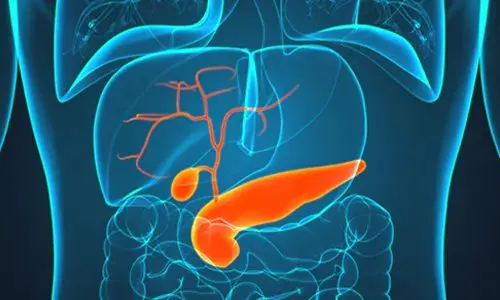
Gallbladder Inflammation
Gallbladder inflammation (cholecystitis) is the inflammation of the gallbladder and is typically caused bygallstones. This condition is a health issue that can lead to severe abdominal pain and, if left untreated, may result in complications. By 2025, with the diagnostic and treatment methods offered by modern medicine,cholecystitis can be effectively managed through early intervention. In this article, drawing on the expert insights of Assoc. Prof. Dr. Mesut Sipahi, we will discuss the causes, symptoms, diagnosis, and treatment methodsof gallbladder inflammationin detail. Our aim is to provide readers seeking information on this topic with a comprehensive and reliable guide.
What Is Gallbladder Inflammation (Cholangitis)?
Gallbladder inflammation (cholecystitis) is a condition characterized by inflammation of the gallbladder walls. The gallbladder is a small organ that storesbileproduced by the liver and helps break down fats during digestion. Cholangitis typically results fromgallstones(cholelithiasis) blocking the bile ducts. This condition obstructs the flow of bile, leading to inflammation.Cholangitis has two main types—acute and chronic—each requiring different symptoms and treatment approaches.
Acute Cholecystitis
Acute cholecystitis is a condition that begins suddenly and typically causes severe pain. It is most often caused bygallstonesblocking the bile duct.
Chronic Cholecystitis
Chronic cholecystitis results from the impairment of gallbladder function due to long-term inflammation. Recurrent inflammatory episodes can lead to thickening of the gallbladder wall.
What Causes Gallbladder Inflammation (Cholangitis)?
Gallbladder inflammation (cholecystitis) can be caused by various factors. The most common causes include:
- Gallstones: They are the most common cause of gallbladder inflammation. Gallstones block the bile ducts, leading to inflammation.
- Bile sludge: Thick bile that accumulates in the gallbladder can trigger inflammation.
- Tumors: In rare cases, tumors that block the bile ducts can cause cholecystitis.
- Infections: Bacterial infections can cause inflammation of the gallbladder.
- Gallbladder injuries: Blows to the abdomen or surgical complications can trigger inflammation.
- Immune system issues: Certain autoimmune diseases can contribute to gallbladder inflammation.
Risk factorsincludeobesity, rapid weight loss, high cholesterol, diabetes, pregnancy, and a family history of gallstones. Women over the age of 40 are particularly prone to this condition.
What Are the Symptoms of Gallbladder Inflammation (Cholangitis)?
The symptoms of gallbladder inflammation (cholecystitis)may vary depending on whether the condition is acute or chronic. Here are the most common symptoms:
- Abdominal pain: Severe, persistent pain in the upper right abdomen. This pain may radiate to the back or right shoulder.
- Nausea and vomiting: These symptoms are commonly experienced, especially after eating fatty foods.
- Fever and chills: These may occur as signs of infection in cases of acute cholecystitis.
- Jaundice: If the bile ducts become blocked, the skin and eyes may turn yellow.
- Bloating and indigestion: These are common complaints among patients with chronic cholecystitis.
- Sensitivity: Pain felt when the abdominal area is touched (Murphy's sign).
If you are experiencing one or more of these symptoms, it is important to see a healthcare professional without delay. Early diagnosis reduces the risk of complications.
How Is Gallbladder Inflammation (Cholangitis) Diagnosed?
A diagnosis of gallbladder inflammation (cholecystitis)is made through a comprehensive evaluation by a specialist. The diagnostic process typically involves the following steps:
- Physical examination: The doctor checks for tenderness and pain in the abdominal area. Murphy’s sign is an important indicator of acute cholecystitis.
- Blood tests: These are performed to assess for infection and evaluate liver function.
- Imaging tests:
- Ultrasound: This is the most commonly used method for detecting gallstones and signs of inflammation.
- Ultrasound scan: Provides a detailed examination of the gallbladder and surrounding tissues.
- MRCP: Used to visualize the bile ducts.
- HIDA scan: Assesses the function of the gallbladder.
- ERCP (Endoscopic Retrograde Cholangiopancreatography): It can be used to clear blocked bile ducts and make a diagnosis.
Associate Professor Mesut Sipahi emphasizes the importance of a multidisciplinary approach for an accurate diagnosis. Modern imaging technologies provide high accuracy in the diagnosis ofcholecystitis.
How Is Gallbladder Inflammation (Cholangitis) Treated?
Treatment for gallbladder inflammation (cholecystitis)varies depending on the severity and type of the condition. Treatment options generally include the following:
1. Medication
In cases of acute cholecystitis,antibioticsmay be used to control the infection.Pain relieversmay be prescribed to alleviate pain.
2. Surgical Intervention
- Cholecystectomy: The surgical removal of the gallbladder is the most common treatment for cholecystitis. Laparoscopic (minimally invasive) surgery allows for a faster recovery.
- Open surgery: It is preferred in cases with complications.
3. Diet and Lifestyle Changes
Patients with chronic cholecystitis are advised to followa low-fat diet. Avoiding fatty and spicy foods may help alleviate symptoms.
4. Stone Removal via ERCP
Endoscopic methods can be used to remove stones from the bile ducts.
During the treatment process, the patient’s overall health and risk of complications are taken into account. Associate Professor Mesut Sipahi emphasizes the importance of personalized treatment plans.
What Can You Do to Prevent Cholecystitis?
The following measures can be taken to reduce the risk of gallbladder inflammation (cholecystitis):
- Healthy weight management: Obesity increases the risk of gallstone formation. A balanced diet and regular exercise are important.
- A low-fat diet: Avoiding fatty foods supports gallbladder health.
- Adequate water intake: Keeping the body hydrated helps regulate bile flow.
- Regular health checkups: Early detection prevents complications.
These measures can significantly reduce the risk ofcholecystitisand improve your overall health.
Gallbladder inflammation (cholecystitis) is a condition that can lead to serious complications but can be managed with early diagnosis and appropriate treatment. This condition, which arises due togallstones, infections, or other factors, can be brought under control with proper diagnosis and treatment.