What Is a Perianal Fistula?
What is a perianal fistula?This condition is a health issue that affects the anal region and can often cause significant discomfort. Perianal fistulas are abnormal tunnels that form around the anus and can lead to infections if left untreated. So, what are the symptoms, causes, and treatment options for perianal fistulas? Keep reading for all the details.
What Is a Perianal Fistula?
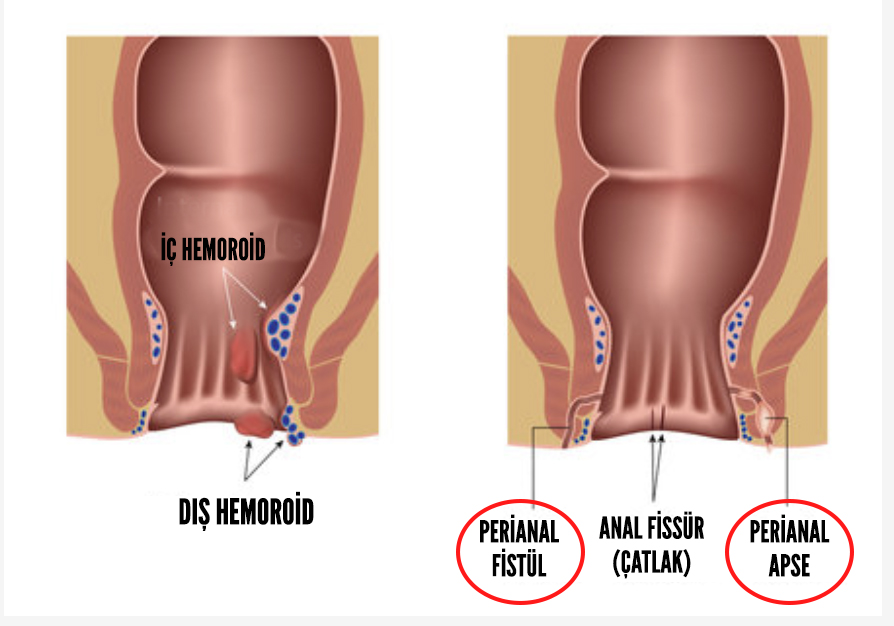
A perianal fistula is an abnormal tunnel that forms between the skin around the anus and the intestine. It usually results from a previous anal abscess, creating a connection between the infected glands and the skin. This condition tends to become chronic and, if left untreated, can significantly reduce quality of life.
Characteristics of Perianal Fistulas
- It is typically associated withrecurrent abscesses.
- Progressing infections can cause the fistula to become more complicated.
- If left untreated, there may bea constant dischargefrom the fistula openings.
What Are the Symptoms of a Perianal Fistula?
The most common symptoms of perianal fistulas includea sensation of discomfort and persistent discharge in the anal area. However, symptoms may manifest differently in each patient.
Common Symptoms
- Swellingand pain around the anus
- Bloody or pus-like discharge from the fistula opening
- A constant feeling of dampness and associated skin irritation
- Pain during or after a bowel movement
- Signs of a bad odorand infection
If you are experiencing these symptoms, it is important to see a doctor without delay. Early diagnosis makes treatment easier and helps prevent complications.
What Are the Causes of Perianal Fistulas?
The primary cause of a perianal fistula is usually an anal abscess. In addition, various health issues can also contribute to the development of a fistula.
Main Reasons
- Anal Abscesses: Approximately 90% of perianal fistulas are caused by abscesses.
- Crohn's Disease: Inflammatory bowel diseases can increase the risk of fistulas.
- Trauma: It may develop following blows to the anal region or surgical procedures.
- Infections: Chronic infections, particularly tuberculosis, can lead to the formation of fistulas.
- Cancer: In rare cases, cancers of the anal region can lead to the formation of a fistula.
Risk Factors
- Chronic constipation
- Diseases that weaken the immune system
- Poor hygiene conditions
How Is a Perianal Fistula Diagnosed?
Physical examination and imaging techniques play a key role in the diagnosis of perianal fistulas. To ensure an accurate diagnosis, your doctor will conduct a comprehensive evaluation.
Methods Used in the Diagnostic Process
- Physical Examination: The doctor checks the external opening of the fistula and looks for signs of infection.
- Anoscopy: A procedure used to examine the inside of the anus in detail.
- Magnetic Resonance Imaging (MRI): Used to determine the depth of the fistula and its relationship to surrounding tissues.
- Ultrasonography: In particular, 3D endoanal ultrasonography is an effective method for diagnosing fistulas.
During the diagnostic phase, the doctor will determine whether the fistula is simple or complex. This classification is critical in developing a treatment plan.
How Is Perianal Fistula Treated?
Treatment for perianal fistulas varies depending on the severity and type of the condition. The goal of treatment is to completely heal the fistula while minimizing the risk of recurrence.
Treatment Methods
1. Surgical Treatment
Surgery is the most effective method for treating fistulas. Depending on the type of fistula, different surgical approaches may be chosen:
- Fistulotomy: This procedure is performed for simple fistulas and involves opening the fistula tract to facilitate healing.
- Seton Method: Used for infection control in complex fistulas.
- Advancement Flap Technique: A method used for deep fistulas that preserves anal sphincter function.
2. Medication Therapy
If there are underlying conditions such as Crohn's disease, anti-inflammatory medications may be used in addition to fistula treatment.
3. Laser Treatment
In recent years,laser therapy—a minimally invasive procedure—has gained attention for its quick recovery time.
4. Application of Fibrin Adhesive
The fistula tract is closed by injecting fibrin glue into it. This is a less invasive option, but there is a risk of recurrence.
Important Considerations During Treatment
- Following hygiene guidelines reduces the risk of infection.
- It is important to follow the diet recommended by your doctor.
- Regular checkups are necessary to prevent complications.
Methods for Preventing Perianal Fistulas
To reduce the risk of a perianal fistula, you can follow these steps:
- Prevent infections by maintaining good hygiene.
- Followa diet rich in fiberto prevent digestive problems such as constipation and diarrhea.
- Visit your doctor regularly to keep chronic intestinal diseases under control.
A perianal fistula is a health condition that can significantly impact your quality of life. Withearly diagnosis and appropriate treatment, it is possible to overcome this condition. If you are experiencing symptoms or have risk factors, you should consult a specialist and begin your treatment without delay.