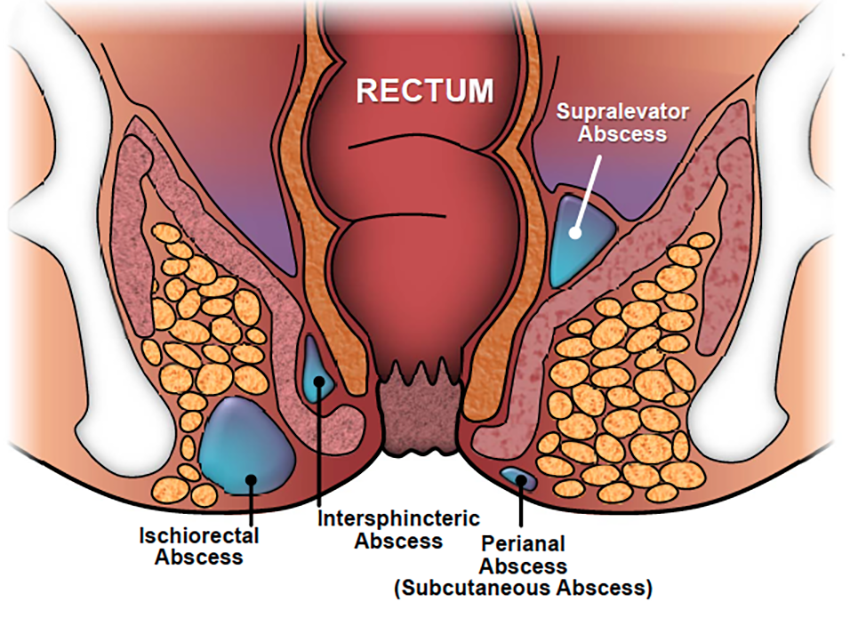
What Is a Perianal Abscess?
A perianal abscess, also known asan anal abscess, is a painful, infected swelling that occurs around the anus. If not properly diagnosed and treated, this condition can lead to serious complications. So, what causes a perianal abscess, and what are its symptoms? We’ve covered all the details in this article.
What Is a Perianal Abscess?
A perianal abscess is an inflammatory condition caused by an infection of the glands around the anus. This infection typically results from inflammation caused by bacteria and presents with symptoms such as pain, swelling, and redness in the area. Perianal abscesses can occur in both men and women, but they are more common in individuals with weakened immune systems.
What Are the Symptoms of an Anal Abscess?
Symptoms of an anal abscess may vary depending on the severity and extent of the infection. However, the most common symptoms include the following:
- Pain and tenderness: Severe pain is felt, especially when sitting or moving.
- Swelling: A hard, swollen area can be felt by touch around the anus.
- Redness and warmth: Redness and increased warmth are observed in the infected area.
- Fever: In advanced cases, fever occurs as a result of the infection spreading throughout the body.
- Discharge: In some cases, the contents of the abscess may leak out, causing a foul-smelling discharge.
If you notice these symptoms, it is important to consult a specialist without delay.
What Causes a Perianal Abscess?
Perianal abscesses are typically caused by infected glands around the anus. However, various risk factors can increase the likelihood of this condition developing. Here are the main causes:
- Weakened immune system: Conditions such as diabetes, HIV, or cancer can weaken the immune system.
- Crohn's disease or ulcerative colitis: Inflammatory bowel diseases can increase the risk of an anal abscess.
- Poor hygiene conditions: Failure to keep the area clean creates conditions conducive to infection.
- Anal fissures: Cracks around the anus can make it easier for bacteria to enter.
- Surgical procedures: The risk of infection may increase following procedures performed in the anal or rectal area.
How Is an Anal Abscess Diagnosed?
A diagnosis of an anal abscess is typically made through a physical examination. The doctor may use the following methods to determine the location and size of the abscess:
- Physical examination: Swelling, redness, and tenderness in the area are assessed.
- Imaging methods: Ultrasound, MRI, or CT scans can be used to determine the depth of the abscess and the extent of the infected tissue.
- Laboratory tests: Blood tests may be performed to determine the extent of the infection.
Since early diagnosis improves the success of treatment, you should see a doctor as soon as you notice any symptoms.
How Is a Perianal Abscess Treated?
Treatment for an anal abscess usually requires surgery. The treatment process involves the following steps:
- Drainage of an abscess: The infected area is numbed with local anesthesia, and the contents of the abscess are drained.
- Antibiotic treatment: Antibiotics are prescribed to control a bacterial infection.
- Supportive treatments: Pain relievers, keeping the area clean, and warm sitz baths are recommended to reduce pain.
To prevent the recurrence of an abscess after surgery, it is important to follow hygiene guidelines.
How Do You Treat an Anal Abscess?
The recovery process for an anal abscess depends on the treatment administered and the individual’s overall health. Here are some tips to help speed up the recovery process:
- Follow hygiene guidelines: The infected area must be kept clean and dry.
- Warm sitz baths: Warm water baths taken daily help promote healing by increasing blood circulation in the area.
- Eating a balanced diet: To strengthen the immune system, you should consume foods rich in vitamins and minerals.
- Continue with follow-up appointments: Post-treatment follow-up appointments should not be missed.
Since untreated abscesses can lead to more serious conditions such as fistulas, follow-up by a specialist is essential.
A perianal abscess is a serious condition that can negatively impact quality of life if not treated properly. In this article, we’ve covered all the details you need to know—from the symptoms of a perianal abscess to diagnostic methods, treatment options, and the recovery process. If you experience any of these symptoms, it’s important to consult a specialist without delay. We wish you good health!