





"Pancreatic Cancer"
What Is Pancreatic Cancer?
Pancreatic cancer is a serious disease that originates in the cells of the pancreas and can progress rapidly. In this guide, we will provide detailed information aboutpancreatic cancer, covering every aspect of the disease—from its types and stages to its causes and treatments. Prepared in 2025 based on the latest medical information, this article aims to answer all your questions aboutpancreatic cancer. Keep reading to discover the symptoms, risk factors, and treatment options for this disease!
What Is Pancreatic Cancer?
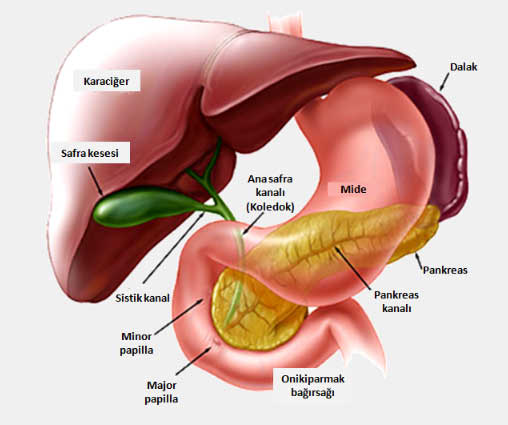
Pancreatic cancer refers to malignant tumors that develop in the pancreas, an organ that plays a key role in digestion and blood sugar regulation. The pancreas is located behind the stomach and helps break down food by producing digestive enzymes, as well as secreting hormones such as insulin.Pancreatic cancer typically progresses insidiously and is difficult to diagnose in its early stages. Therefore, it is vital to be aware of the symptoms and risk factors of the disease.
Pancreatic cancer is one of the deadliest forms of cancer worldwide. If not diagnosed early, it tends to spread to surrounding tissues and organs. Although diagnostic and treatment methods have advanced thanks to advances in medical technology as of 2025, this disease is still considered a serious health problem.
What Are the Types of Pancreatic Cancer?
Types of pancreatic cancer are classified based on the type of cell from which the tumor originates. The main types are as follows:
- Exocrine Pancreatic Cancers: These cancers originate in the cells of the pancreas that produce digestive enzymes. The most common type isadenocarcinoma, which accounts for approximately 95% of pancreatic cancers.
- Endocrine Pancreatic Cancers: This rare type develops in the hormone-producing cells of the pancreas and is referred to as neuroendocrine tumors.
- Cystic Tumors: Some pancreatic cancers may originate from cysts, and these tumors can be benign or malignant.
The treatment approach may vary depending on the type. Therefore, an accurate diagnosis plays a critical role in determining the appropriate treatment plan.
What Are the Stages of Pancreatic Cancer?
The stages of pancreatic cancer are classified based on the extent of the disease’s spread. Staging is an important step in determining the treatment plan. The stages can be listed as follows:
- Stage 1: The tumor is confined to the pancreas and has not spread to surrounding tissues.
- Stage 2: The tumor has spread beyond the pancreas but has not metastasized to lymph nodes or distant organs.
- Stage 3: The cancer has spread to nearby lymph nodes or major blood vessels.
- Stage 4: The cancer has metastasized to distant organs such as the liver and lungs.
Pancreatic cancer diagnosed in the early stages offers better treatment outcomes. However, most cases are diagnosed in the advanced stages, which makes treatment more difficult.
What Causes Pancreatic Cancer?
Although theexact causes of pancreatic cancerare not fully understood, certain factors play a role in its development. Genetic mutations can lead to uncontrolled cell growth. The main causes include:
- Smoking: Smoking is the most significant environmental factor that increases the risk of pancreatic cancer.
- Genetic Predisposition: The risk is higher in individuals with a family history of pancreatic cancer.
- Chronic Pancreatitis: Long-term inflammation of the pancreas can increase the risk of cancer.
- Obesity and Diabetes: Excess weight and type 2 diabetes have been linked to pancreatic cancer.
These factors may increase the likelihood of the disease developing, but a definitive cause cannot always be identified.
What Are the Symptoms of Pancreatic Cancer?
Symptoms of pancreatic cancer are often vague in the early stages of the disease, which makes diagnosis difficult. Common symptoms include:
- Abdominal or back pain: Pain may be felt depending on the location of the pancreas.
- Jaundice: Yellowing of the skin and eyes, darkening of urine.
- Weight loss: Unexplained weight loss is a common symptom.
- Loss of appetite and nausea: Digestive issues and decreased appetite.
- Fatigue: Constant weakness and loss of energy.
Since these symptoms may also be related to other health issues, it is important to consult a doctor. Early diagnosis can improve the chances of successful treatment.
What Are the Risk Factors for Pancreatic Cancer?
Risk factors for pancreatic cancer are factors that contribute to the development of the disease. The most common risk factors are as follows:
- Age: The risk is higher in individuals aged 60 and older.
- Smoking: Tobacco use can double the risk of pancreatic cancer.
- Family History: Genetic predisposition increases the risk, particularly in those with a BRCA2 mutation.
- Obesity: A high body mass index may increase the risk of cancer.
- Chronic Pancreatitis: Recurrent inflammation of the pancreas increases the risk.
It is recommended that individuals with these risk factors undergo regular health checkups.
How Is Pancreatic Cancer Diagnosed?
A diagnosis of pancreatic cancer is typically made using a combination of multiple methods. The primary diagnostic methods are as follows:
- Imaging Tests: Methods such as CT (computed tomography), MRI (magnetic resonance imaging), and ultrasound help determine the tumor’s location and size.
- Biopsy: A sample taken from pancreatic tissue confirms the presence of cancer cells.
- Blood Tests: Tumor markers such as CA 19-9 can aid in diagnosis.
- Endoscopic Ultrasound: Used to obtain detailed images of the pancreas.
Early detection increases the chances of success in the treatment ofpancreatic cancer. Therefore, if you experience any suspicious symptoms, you should consult a specialist without delay.
What Is the Treatment for Pancreatic Cancer?
Treatment for pancreatic cancer is determined based on the stage of the disease, the patient’s overall health, and the tumor’s location. The main treatment options are as follows:
- Surgical Intervention: In the early stages, a Whipple procedure or pancreatectomy may be performed to remove the tumor.
- Chemotherapy: Drug therapy is used to kill cancer cells.
- Radiation therapy: Tumors are shrunk or destroyed using high-energy radiation.
- Targeted Therapies: A new generation of drugs that target cancer cells.
- Palliative Care: It is provided in the advanced stages to alleviate symptoms.
The treatment plan is developed by a multidisciplinary team consisting of an oncologist, a surgeon, and a radiologist. As of 2025, innovative approaches such as immunotherapy and genetically targeted therapies also hold promise.
Pancreatic cancer is a disease that can lead to serious consequences if not diagnosed early. Recognizing the symptoms, understanding the risk factors, and undergoing regular screenings are critical to managing the disease. Advances in medical technology by 2025 are offering more effective treatment options forpancreatic cancer. This guide aims to contribute to readers’ awareness by providing a comprehensive overview of the disease, from its types to its treatment.