What Is a Pilonidal Cyst?
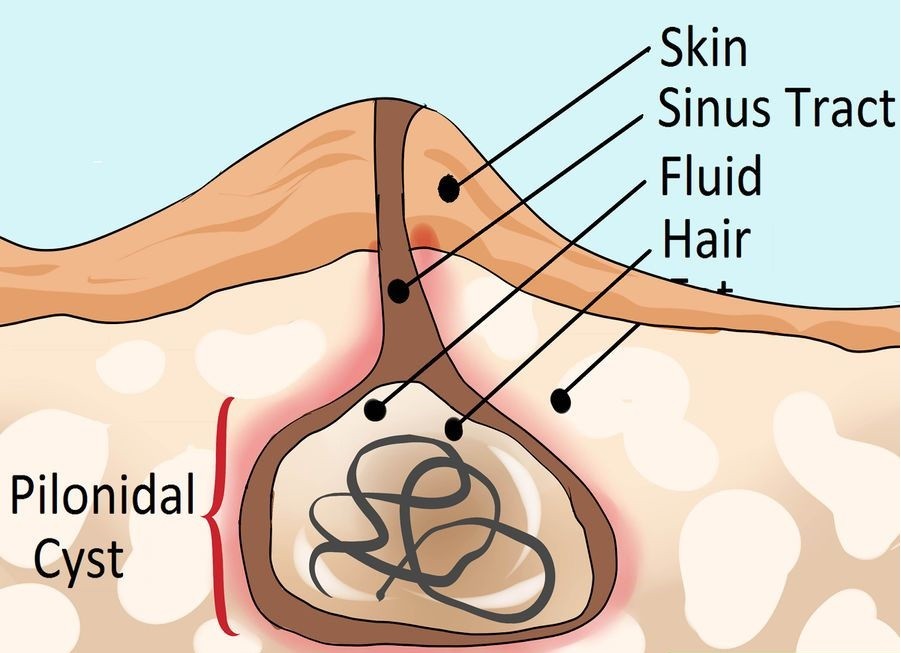
A pilonidal cyst, medically known asa pilonidal sinus, is a skin condition commonly seen in young adults that negatively impacts quality of life.A pilonidal cyst (pilonidal sinus) typically develops in the sacral region, though it can also occur in other parts of the body. In this article, we will discuss important topics such as the causes, symptoms, and treatment methods of pilonidal cysts in detail.
What Is a Pilonidal Cyst?
An ingrown hair is an infection and inflammation caused by loose hairs or body hair that grow into the skin. It typically begins as a small opening or sinus in the tailbone area. As the condition progresses, it can lead to cysts or abscesses under the skin and become a painful process.
Where on the Body Does a Pilonidal Cyst Occur?
Ingrown hairs typically occur in areas of the body where friction occurs and hair can become trapped. The most common areas are:
- Coccyx
- Groin
- Underarm
- Waist circumference
- The neck and nape area
The coccyx region, in particular, is the most commonly affected area because it is constantly subjected to pressure while sitting.
What Causes a Pilonidal Cyst?
Multiple factors play a role in the development of ingrown hairs. These factors include:
- Excessive sweating:Sweating can cause body hair to easily grow into the skin, leading to infection.
- Sedentary lifestyle:Sitting for long periods can increase pressure on the tailbone area and trigger the development of a pilonidal cyst.
- Poor hygiene:Failing to maintain proper skin hygiene increases the risk of infection.
- Hair texture and density:Thick and coarse hair increases the likelihood of ingrown hairs.
- Genetic predisposition:Individuals with a family history of ingrown hairs are at greater risk.
What Are the Symptoms of a Pilonidal Cyst?
The symptoms of ingrown hair typically vary depending on the severity of the infection. The most common symptoms include:
- Pain and tenderness in the tailbone
- Swelling and redness
- Small holes or abscesses on the skin
- Inflammatory or bloody discharge
- Fever and fatigue (in cases where the infection has progressed)
If left undiagnosed, these symptoms can make daily life difficult and lead to serious infections.
What Are the Risk Factors for Pilonidal Cysts?
Some people are more prone to ingrown hairs. The risk factors can be listed as follows:
- Working while sitting for long periods
- Excess weight or obesity
- Excessive hair growth
- The habit of wearing tight clothing
- Poor personal hygiene
- A story of ingrown hairs from the past
If you have one or more of these factors, it is important to take steps to prevent ingrown hairs.
How Is Pilonidal Cyst (Pilonidal Sinus) Treated?
Treatment for ingrown hairs varies depending on the stage of the condition. Treatment options include:
- Conservative Treatment:
- It is recommended to maintain good hygiene and keep the area clean in the early stages.
- Antibiotics can be used to prevent the spread of infection.
- Drainage Procedure:
- If an abscess has formed, the infection in the area is drained under local anesthesia.
- This method provides temporary relief but is generally not sufficient for a complete cure.
- Surgical Intervention:
- Surgery is necessary for a permanent solution to ingrown hairs.
How Is a Pilonidal Cyst Surgery Performed?
Ingrown hair surgery involves removing the infected tissue and cleaning the area. Surgical methods include the following:
- Cyst removal:The infected area is thoroughly cleaned, and the wound is typically left open to heal on its own.
- Closed method:The area is closed to accelerate the healing process.
- Laser treatment:A modern and minimally invasive method.
Postoperative care is crucial for minimizing the risk of recurrence.
A pilonidal cyst is a condition that can be managed with early diagnosis and proper treatment. To reduce the risk of recurrence, good hygiene should be maintained, risk factors should be avoided, and a specialist should be consulted when necessary. Remember, early intervention always leads to more effective results.