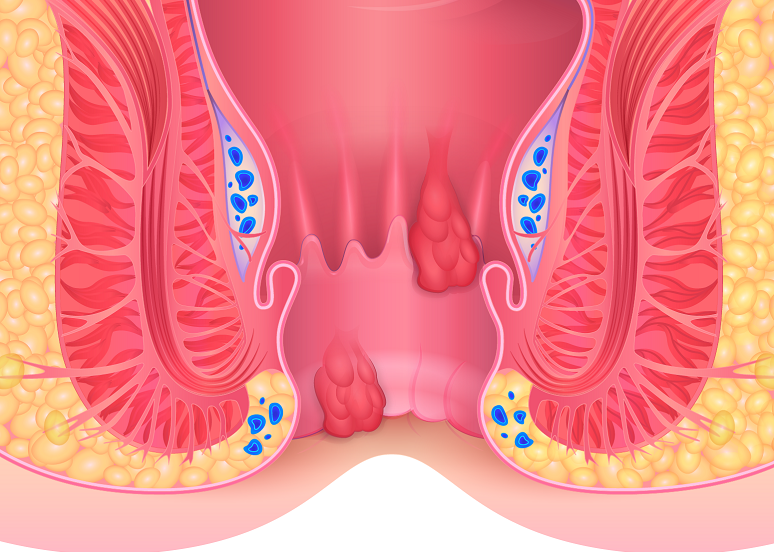
What Is Radiofrequency Treatment for Hemorrhoids?
If you’re wondering, “What is Radiofrequency Hemorrhoid Treatment?”, this article provides details on radiofrequency technology—one of the modern methods used to treat hemorrhoids. Radiofrequency treatment is frequently chosen by patients due to its rapid recovery process and minimally invasive nature.
How Is Radiofrequency Hemorrhoid Treatment Performed?
Radiofrequency treatment is based on the principleof converting electrical energy into heat. In this method, high-frequency waves are delivered to the hemorrhoidal tissue using specialized devices. The heat causes the hemorrhoid to shrink, and by cutting off blood flow, it is eliminated. The procedure typically involves the following steps:
- Preparation Process: The patient is examined prior to the procedure, and their suitability for radiofrequency treatment is assessed.
- Local Anesthesia: Local anesthesia is administered to the treatment area to ensure the patient’s comfort.
- Radiofrequency Treatment: The procedure involves delivering energy to the hemorrhoidal tissue using specialized devices.
- Short Recovery Period: Patients are typically discharged on the same day and can return to their normal daily activities shortly thereafter.
The success of this method depends on proper patient selection and its implementation by a specialist.
What Are the Benefits of Radiofrequency Therapy?
Radiofrequency treatment for hemorrhoids offers many advantages over traditional methods. Here are some of those advantages:
- Quick Recovery: The recovery period after the procedure is short.
- Low Pain Level: Pain experienced during and after the procedure is minimal.
- Does Not Require Hospitalization: It is typically performed on an outpatient basis.
- Reduced Risk of Bleeding: The radiofrequency method minimizes the risk of bleeding.
- Quick Return to Daily Life: Patients can return to their work and social lives in a short period of time.
These advantages clearly demonstrate why the radiofrequency method has become a popular option for the treatment of hemorrhoids.
In Which Cases Is Radiofrequency Therapy Used?
The radiofrequency method is particularly preferred in the following cases:
- Advanced Hemorrhoids: This is an effective treatment method, particularly for second- and third-degree hemorrhoids.
- Situations Where Surgery Is Avoided: Ideal for patients seeking a less invasive option.
- Bleeding and Pain Symptoms: It provides relief for patients experiencing severe bleeding and pain.
However, surgical intervention may be necessary in cases offourth-degree hemorrhoidsor when complications arise.
A Comparison of Radiofrequency and Traditional Treatments
| Feature | Radiofrequency Therapy | Traditional Surgical Treatment |
|---|
| Processing Time | 20–30 minutes | 45–60 minutes |
| Pain Level | Minimal | Intermediate-Advanced |
| Recovery Time | 1–2 days | 7–10 days |
| Hospital Admission | It is not required | may require |
| Risk of Bleeding | Very low | Higher |
This table clearly demonstrates that the radiofrequency method is a patient-friendly alternative.
What Should You Keep in Mind After Radiofrequency Treatment?
There are a few things to keep in mind after a radiofrequency procedure:
- Dietary Guidelines: You should consume foods high in fiber and drink plenty of water.
- Avoid Lifting Heavy Objects: You should avoid strenuous physical activity for the first few days.
- Regular Follow-Up: Regular follow-up visits with your doctor after the procedure should not be neglected.
- Compliance with Hygiene Guidelines: The anal area must be kept clean with care.
Following these recommendations increases the likelihood of a successful treatment and minimizes the risk of complications.
Who Is Not a Candidate for Radiofrequency Treatment?
As with any treatment method, there are certain situations in which radiofrequency treatment cannot be performed. This method may not be suitable for the following patients:
- Grade 4 Hemorrhoids: In advanced cases, surgical methods may be more effective.
- Patients with Bleeding Disorders: Should be carefully evaluated in patients at high risk of bleeding.
- Active Infection: If there is an infection in the treatment area, the infection must be treated first.
For these reasons, a consultation with a specialist is required before deciding on treatment.
What Are the Costs of Radiofrequency Treatment?
The cost of radiofrequency hemorrhoid treatment may vary depending on the doctor’s experience, the quality of the equipment used, and the clinic’s location. In general, this method can be more cost-effective compared to other surgical procedures. However, it is recommended that you consult with your doctor after your examination for specific details.
Radiofrequency treatment for hemorrhoids offers patients a safe solution as a modern and effective method. With its minimally invasive nature, quick recovery process, and low risk of complications, it is a strong alternative for those seeking relief from hemorrhoid symptoms. However, as with any treatment method, it is important to consult a specialist doctor before undergoing radiofrequency treatment. You can consult a healthcare professional to learn more about this method and discuss your options.