





"ERCP"
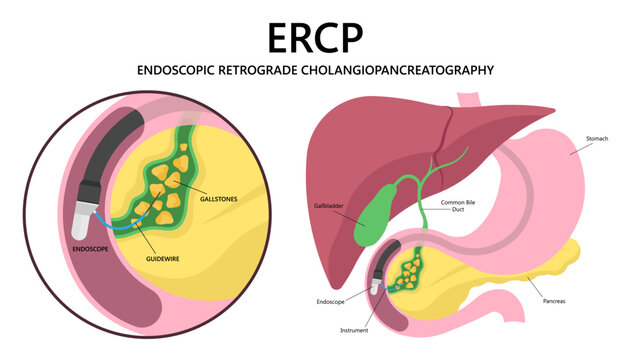
Treatment of Biliary Tract Diseases Using the ERCP Method
ERCP, or Endoscopic Retrograde Cholangiopancreatography, is an effective method used for the diagnosis and treatment of bile duct obstructions. Bile duct obstructions result from various causes that block the flow of bile and can lead to serious health problems. It is also one of the most commonly used methods for the diagnosis and treatment of pancreatic diseases.
What Is ERCP?
ERCP is a procedure that uses a combination of an endoscope and X-ray equipment to examine, diagnose, and treat certain conditions affecting the bile ducts and pancreatic ducts. The patient’s digestive system is examined using a flexible endoscope inserted through the mouth, and X-ray images of the ducts are obtained by administering a contrast agent. This allows for the detection of problems such as blockages, stones, tumors, or strictures.
ERCP is typically used in patients with serious bile duct and pancreatic problems, and because it is an invasive procedure, the doctor’s experience is crucial.
What Conditions Is ERCP Used to Treat?
ERCP is an effective method used for both the diagnosis and treatment of certain conditions affecting the bile ducts, pancreatic ducts, and duodenum. It is commonly used in the following situations:
- Gallstones:The formation of stones in the bile ducts can cause pain, jaundice, and infections. With ERCP, these stones can be visualized and removed using an endoscopic procedure.
- Blockages and Narrowings:Narrowings and blockages in the bile ducts or pancreatic ducts can disrupt the flow of digestive fluids, leading to symptoms such as pain and bloating. ERCP helps restore flow by placing a balloon or stent in these areas.
- Biliary Tract Infections:Infections that develop in the biliary tract may present with fever, jaundice, and abdominal pain. ERCP can be used to determine the cause of these infections.
- Pancreatitis:Inflammation of the pancreas (pancreatitis) presents with symptoms such as severe abdominal pain and vomiting. ERCP helps in the treatment process by clearing blockages in the pancreatic duct.
- Cysts and Tumors:Cysts or tumors that may be present in the bile ducts or pancreatic ducts can be visualized using ERCP, and if necessary, a biopsy can be taken for further evaluation.
Diagnosis and Treatment of Biliary Tract Obstruction Using the ERCP Method
ERCP is a reliable method used for both the diagnosis and treatment of blockages in the bile ducts. Gallstones are one of the most common causes of these blockages. With ERCP, these stones can be removed using an endoscope, thereby restoring bile flow.
Once the endoscope reaches the area of the Vater’s papilla in the duodenum, stones can be碎ed or removed using specialized instruments. This restores normal flow in the bile ducts. If there is a narrowing or blockage in the bile ducts,athin, tube-shapedstentis placed using the endoscope to open up the affected area. The stent helps ensure uninterrupted bile flow and significantly reduces the patient’s symptoms.
In some cases,a balloon catheteris used to widen the narrowed area. The balloon is placed in the affected area and inflated to open the narrowed section, restoring normal bile flow. This not only clears the blockage but also improves the patient’s quality of life.
The Advantages of the ERCP Method in the Treatment of Biliary Tract Obstructions
- It is a minimally invasive procedure that does not require open surgery.
- It enables both diagnosis and treatment at the same time.
- It shortens the length of the hospital stay.
- The recovery time is faster.
The Role of ERCP in the Treatment of Biliary Tract Obstructions
If bile duct obstructions are not treated promptly, they can lead to serious conditions such as jaundice, infection, and even liver failure. ERCP is critical for preventing these complications and providing the patient with rapid relief.
In What Situations Is ERCP Performed?
- Suspected gallstones
- Narrowing or blockages of the pancreatic duct
- Suspected tumor or polyp in the bile ducts
- Disorders of bile flow and jaundice
- Abnormal liver function tests
Who Is ERCP Performed On?
ERCP is typically performed on the following patient groups:
- Patients with gallstones or pancreatic stones
- People with bile duct obstruction
- Patients with suspected tumors in the pancreas or bile ducts
- People who experience recurrent episodes of pancreatitis
How Is ERCP Performed?
The procedure is typically performed under sedation or light anesthesia. An endoscope is inserted through the mouth to reach the duodenum. A contrast agent is then injected into the bile and pancreatic ducts to facilitate imaging. Depending on the issues identified, procedures such as stone removal, stent placement, or duct dilation may be performed. The procedure usually takes between 30 and 60 minutes.
Advantages of the ERCP Procedure
- It provides both diagnosis and treatment at the same time.
- It is less risky than open surgery.
- The recovery period after the procedure is short.
- It reduces the length of the hospital stay.
- The risk of infection is low.
- The risk of stone formation recurring is low.
- The risk of bile duct obstruction is reduced.
- A quick return to daily life and an improved quality of life for the patient.
- It is a non-surgical method.
ERCP Cost
The ERCP procedure involves steps that vary from person to person. For this reason, it is not possible to provide a specific or average price for the ERCP procedure.
The cost of an ERCP may vary depending on the city where the hospital is located, the equipment used, the duration of the procedure, and any additional treatments.
Post-ERCP Precautions
- You may experience mild throat pain or nausea after the procedure.
- Mild abdominal pain for a few days is normal, but if the pain is severe, you should see a doctor.
- You should avoid strenuous activities for 24 hours after the procedure.
- You should follow the medication and diet plan prescribed by your doctor.
Frequently Asked Questions About ERCP
1. Is ERCP a painful procedure?
No, it is usually performed under sedation, and the patient does not feel any pain during the procedure.
2. Is ERCP risky?
Like any medical procedure, it carries risks, but the complication rate is low when performed by experienced professionals.
3. Do I need to stay in the hospital after an ERCP?
Patients are usually discharged the same day, but in some cases, a short hospital stay may be necessary.
4. Is the patient sedated during an ERCP?
Some patients undergo ERCP under local anesthesia, while others undergo general anesthesia. This decision is made by the doctor.