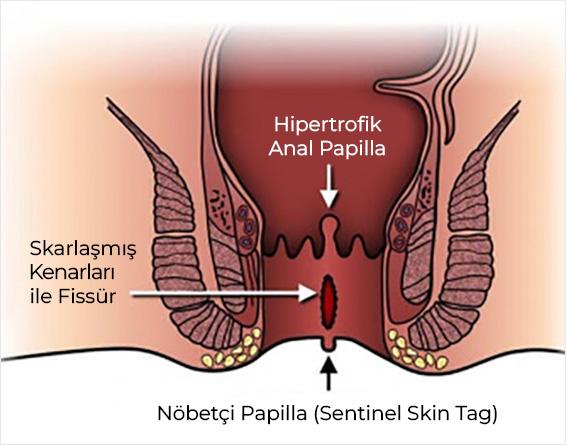
Anal Fissure
What is an anal fissure?The answer to this question describes a condition characterized by a tear or crack in the anus. An anal fissure is a condition typically caused by constipation or passing hard stools, and it can significantly impact a person’s quality of life.
An anal fissure is a condition characterized by a tear in the skin around the anus, which can become a chronic problem if left untreated. So,what causes an anal fissure?What are the symptoms, and what treatment options are available? In this article, we will address all these questions in detail.
What Causes an Anal Fissure?
The underlying causes of anal fissures can vary. However, the most common causes can be listed as follows:
- Constipation:It can cause tears in the anal area during the passage of hard stools.
- Diarrhea:Persistent diarrhea can also cause irritation in the anal area.
- Childbirth:Difficult vaginal deliveries can lead to anal fissures.
- Traumas:Blows to the anal region or improper medical procedures.
- Inflammatory Bowel Diseases:Chronic conditions such as Crohn's disease can trigger this condition.
Risk Factors
- Sedentary lifestyle
- Insufficient fiber intake
- Insufficient water intake
- Severe stress
What Are the Symptoms of an Anal Fissure?
The symptoms of an anal fissureare usually quite painful. The most common symptoms include:
- Pain During Bowel Movements:A sharp, burning pain is felt.
- Bleeding:A small amount of bright red blood is observed in the stool or on toilet paper.
- Itching and Irritation:You may experience itching and discomfort around the anus.
- Swelling:In some cases, swelling may occur in the anal area.
Symptoms are typically either acute or chronic. Acute symptoms usually appear within the first six weeks and can become chronic if left untreated.
How Is an Anal Fissure Diagnosed?
The diagnosis of an anal fissureis typically made through a clinical examination. The diagnostic process consists of the following steps:
- Patient History:The doctor will ask you detailed questions about your symptoms and the issues you are experiencing.
- Physical Examination:Tears or fissures are identified by carefully examining the anal region.
- Anoscopy:In some cases, a device called an anoscope may be used to examine the inside of the anus.
- Differential Diagnosis:Other anal conditions, such as hemorrhoids or fistulas, must be ruled out.
When the disease is diagnosed early, the treatment process proceeds more smoothly.
What Are the Treatment Methods for Anal Fissures?
The goal of anal fissure treatmentis to promote healing of the affected area and alleviate symptoms. Treatment methods are divided into two main categories:conservative treatmentsandsurgical interventions.
Conservative Treatments
- A High-Fiber Diet:Preventing constipation with fiber-rich foods.
- Drink Plenty of Fluids:Daily water intake should be increased.
- Warm Sitz Bath:Relaxes the muscles around the anus and promotes healing.
- Topical Creams:Creams containing lidocaine and nitroglycerin, in particular, can be used.
- Pain Relievers:These may be needed to relieve pain.
Surgical Treatments
- Lateral Internal Sphincterotomy (LIS):Recovery is achieved by relaxing the anal sphincter muscles.
- Botox Injections:They can be therapeutic due to their temporary muscle-relaxing effect.
Surgical treatments are generally preferred in chronic cases.
What Happens If an Anal Fissure Is Left Untreated?
If an anal fissure is left untreated, it can lead to more serious problems over time:
- Becoming Chronic:Untreated fissures can become chronic.
- Infection:An infection may develop at the site of the tear.
- Fistula Formation:Long-standing fissures can lead to fistulas.
- Decline in Quality of Life:Constant pain and discomfort can affect one’s social life.
For this reason, it is extremely important to consult a specialist as soon as symptoms are noticed.
An anal fissure is a condition characterized by a tear or crack in the anus that can become chronic if left untreated. With early diagnosis and appropriate treatment, the recovery rate is quite high. Consulting a specialist as soon as symptoms are noticed is a critical step in preventing the condition from worsening. Remember, your health is your top priority!