
What Is the Body Mass Index (BMI)?
The Body Mass Index (BMI) is a parameter used today as an important indicator in health monitoring, taking intoaccount anindividual’sheight and weight. BMI plays a critical role in the early detection of many health-related issues. So, what is BMI, how is it calculated, and what values are considered healthy? In this article, we will address all these questions and provide a detailed explanation of whycalculating the Body Mass Indexis so important.
What Is the Body Mass Index (BMI)?
The Body Mass Index (BMI) is a number that determinesaperson’sweightrelative to the squareof their height. This index is generally used to assess whether a person’s weight is at a healthy level relative to their height. BMI is a very practical method for determining whether individuals are overweight. It is also used to identify potential health risks associated with excess weight in advance.
BMI is calculated simply as follows:
BMI = Weight (kg) / Height (m)²
How Is Body Mass Index Calculated?
Calculating the Body Mass Index is a fairly simple process. All you need to know is a person’sheight (in meters)andweight (in kilograms). Using the relevant formula, you can follow these steps:
- Measure your heightin meters. (For example: 1.70 m)
- Measure your weightin kilograms. (For example: 70 kg)
- Multiply your heightby itself (1.70 × 1.70 = 2.89 m²).
- Divide your weight(70 kg) by this value: 70 / 2.89 = 24.22
This result gives youyour body mass index, or BMI.
Sample BMI Calculation:
- Height:1.70 m
- Weight:70 kg
- BMI:24.22
What Are the BMI Values?
The body mass index plays an important role in determining whether individuals have a healthy body composition. A healthy BMI range falls within specific limits. Here are the healthy classifications basedon body mass index values:
- August 18–September 24:Normal weight, healthy body composition
- September 25–29:Overweight, at risk of obesity
- 30 and over:Obesity, increased health risks
Each individual may have different health needs basedon their body mass index. However, generally speaking, when the BMI exceeds25, the risk of developing serious health problems increases.
What Criteria Are Used to Determine Body Mass Index (BMI) Categories?
The Body Mass Index(BMI) classification is generally established byglobal health organizationsandweight management specialists. This classification analyzes individuals’weight statusandtheassociatedhealth risks. BMI reflects not only whether a person is overweight but also theiroverall health status.
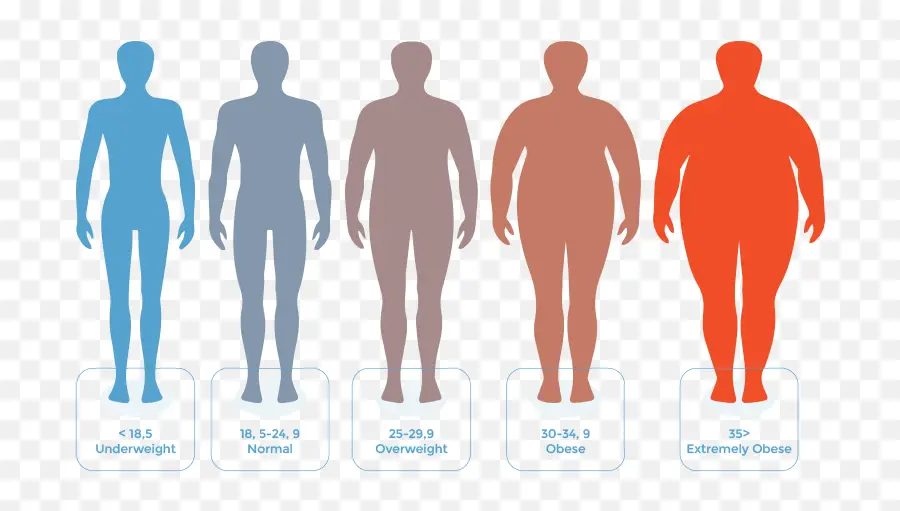
The body mass index is based on the following classifications:
- Underweight (18.5 or below):Low body weight, nutritional deficiencies
- Normal (18.5–24.9):Healthy body mass index, low health risk
- Overweight (25–29.9):High risk of obesity
- Obese (BMI 30 or higher):High risk of obesity and health issues such as heart disease and diabetes
This classification takes into account not onlybody weightbut alsoits potential effects on health.
Why Is It Important to Calculate Your Body Mass Index?
Calculating your Body Mass Index(BMI) provides valuable insight into your health.BMI is particularly effective in identifying serious health issues, such asobesity, at an early stage. Below, we’ll outline the effects of calculating your BMI on your health:
- Prevents Obesity:By calculating the body mass index, excess weight can be detected in the early stages. This helps reduce the risk of obesity.
- Addressing Health Issues:Conditions such as heart disease, diabetes, and high blood pressure can be linked to BMI. People with a high BMI may be more likely to develop these conditions.
- Mental Health:Just as physical health can be affected, so canmental health.Obesityand a high BMI can lead to issues such as depression and anxiety.
- Exercise and Diet Plans:BMI calculation provides a key indicator for exercise and diet programs. The body mass index helps determine which type of diet and exercise is appropriate.
Body Mass Index (BMI) is an important metric for personal health monitoring. Calculating BMI is not only a way to assess a person’s weight status but also a tool that enables them to take the necessary steps toward a healthy lifestyle. When healthcare professionals regularly monitor BMI data, it helps individuals lead healthier lives. Every individual should aim for a BMI value appropriate for their age and body type. This way, bothphysical and mental healthcan be better protected.
A healthy lifestyle is achievable through accurate information and a mindful approach. You should not forget how important your body mass index is and should take care of your health by calculating it regularly.