
What Should Your Diet Be Like After Gastric Sleeve Surgery?
The post-surgery nutrition process following gastric sleeve surgery directly impacts the success of the procedure and the patient’s ability to lose weight healthily. During this process, the transition to both liquids and solid foods must be carefully planned, and expert recommendations must be followed. So, what should the post-surgery diet look like? Here are the details…
The Importance of the Post-Gastric Bypass Dietary Process
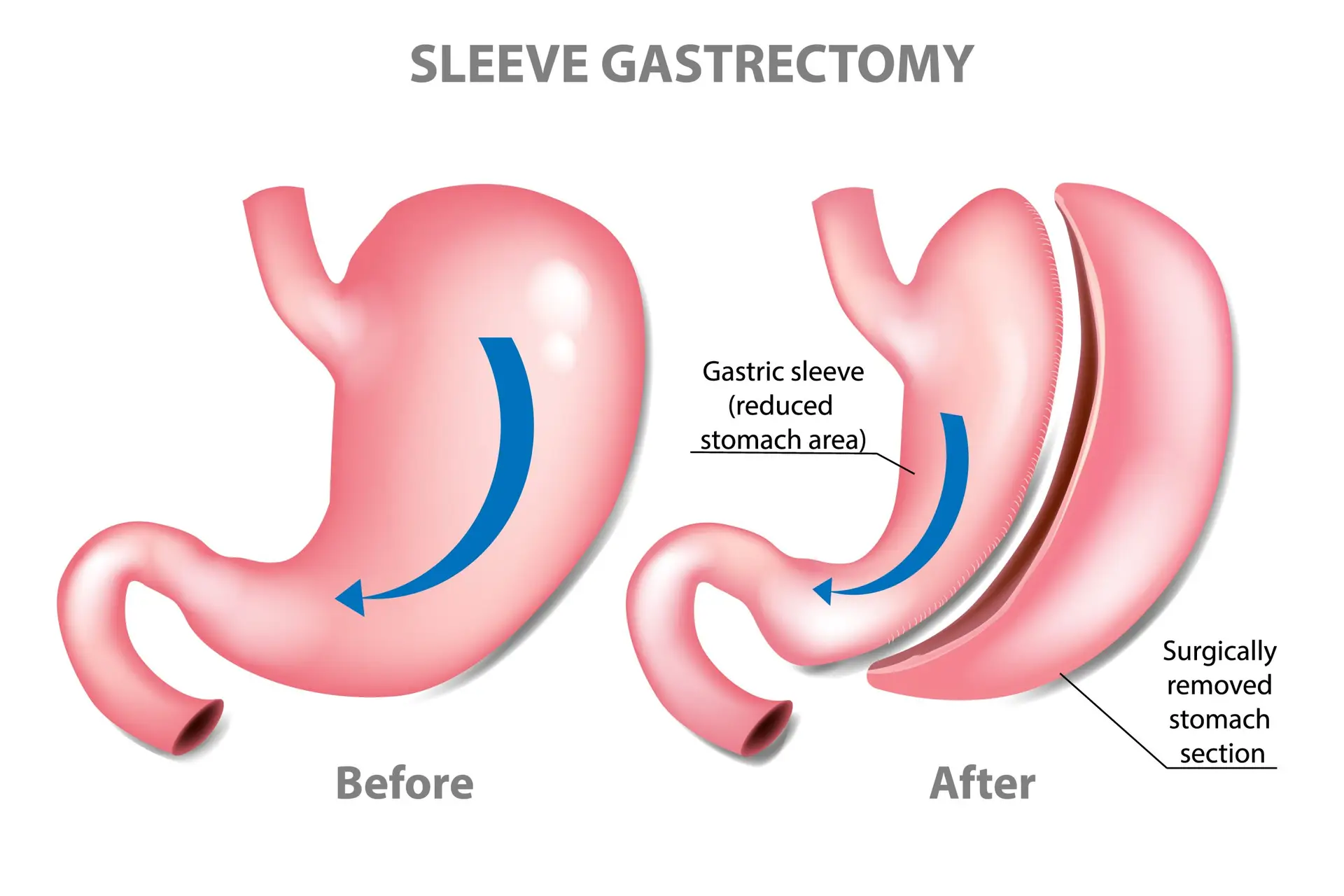
Gastric sleeve surgery is a surgical procedure in which a large portion of the stomach is removed to reduce its size. Following this procedure, stomach capacity is significantly reduced, and the stomach becomes more sensitive to food intake.A proper diet not only accelerates post-surgery recovery but also ensures long-term weight management.
A post-surgery nutrition plan typically includes the following steps:
- Liquid diet phase
- Puree diet phase
- Soft food stage
- The transition to solid foods
These steps are important for optimizing the results of the surgery and preventing complications.
The Liquid Diet Phase Following Gastric Sleeve Surgery
During the first 1–2 weeks following surgery, patients consume only liquids. During this phase, the stomach is trying to recover from the effects of the surgery, so heavy physical activity should be avoided.The following points should be kept in mind during the liquid diet period:
- Fluids you should drink:
- Water
- Sugar-free and caffeine-free herbal teas
- Low-sodium meat or vegetable broth
- Protein-enriched beverages
- Liquids to avoid:
- Carbonated beverages
- Caffeinated beverages
- Sugary or high-calorie beverages
The goal during this period is to ensure the body does not become dehydrated and to meet the recommended daily protein intake through fluids.
Puree Diet Phase: What Should You Keep in Mind During the Transition Period?
The pureed diet phase follows the liquid diet and typically begins in the 3rd or 4th week after surgery. During this period, foods are blended until they reach a pureed consistency.Foods that can be consumed on the pureed diet:
- Yogurt
- Low-fat cheese
- Boiled and pureed vegetables
- Soup (smooth)
- Fruits cooked until they reach a puree-like consistency
Important notes:
- Small portions should be eaten at every meal.
- You should eat slowly and develop the habit of chewing thoroughly.
- The focus should be on protein intake.
Transitioning to Soft Foods: Time to Develop New Habits
The transition to a soft-food diet occurs during the 5th or 6th week after surgery. During this period, the stomach begins to gradually adapt to thicker foods. However, it is important that these soft foods remain light and easy to digest.
Recommended soft foods:
- Baked or steamed fish
- Boiled chicken (thoroughly mashed)
- Soft vegetables (such as zucchini, potatoes)
- Egg (beaten or hard-boiled)
Things to avoid at this stage:
- Firm and fibrous vegetables
- Raw vegetables
- Fried Foods
How Should the Transition to Solid Foods Be Handled?
One of the most critical phases following gastric sleeve surgery is the transition to solid foods. This process, which typically begins in the 7th or 8th week after surgery, lays the foundation for a healthy diet.
Things to keep in mind when transitioning to solid foods:
- Portion Control:
Portions should be chosen that are appropriate for the stomach’s reduced capacity. Portion control can be achieved by using smaller plates. - Protein-Focused Diet:
Daily protein intake should account for at least 60% of the total diet. Examples of protein sources:- Chicken breast
- Fish
- Lean red meat
- Eating Slowly and Chewing Thoroughly:
Eating slowly is critical to allowing the stomach to adjust to its new capacity. Each bite should be chewed at least 20 times. - Foods to Avoid:
- Fatty and fried foods:They make digestion difficult and put a strain on the stomach.
- Sugary foods:May cause dumping syndrome.
- Carbonated beverages:May cause bloating.
- Be Mindful of Your Water Intake:
Instead of drinking water with meals, you should drink water 30 minutes before or after eating.
Long-Term Dietary Recommendations After Gastric Sleeve Surgery
Even after the transition to solid foods is complete, it is important to maintain healthy eating habits. Things to keep in mind in the long term:
- Eat regular meals:Plan for 3 main meals and 2 snacks per day.
- Take vitamin and mineral supplements:Some vitamin and mineral deficiencies may occur after surgery. The use of multivitamin supplements is recommended.
- Follow a balanced diet:The balance of carbohydrates, protein, and fat should be maintained.
Frequently Asked Questions (FAQ)
1. When can I eat regular food after gastric sleeve surgery?
Solid foods are introduced within two months after surgery. However, a return to a completely normal diet should be done only on the advice of a specialist.
2. Can I drink carbonated beverages after surgery?
No, you should avoid carbonated beverages. These drinks can cause bloating and discomfort.
3. How can I meet my protein needs?
Priority should be given to protein sources such as lean meat, fish, eggs, and dairy products. Additionally, protein powder can be used when necessary.
Conclusion: Ensure Success Through Healthy Eating
Nutrition following gastric bypass surgery is one of the most important factors influencing the success of the procedure. With the right nutrition plan, not only does the weight loss process accelerate, but a healthy lifestyle is also adopted in the long term. Care must be taken when transitioning to solid foods, and expert guidance should be sought at every stage. Remember, healthy habits enhance the benefits of the surgery and improve your quality of life.