
What Is the Minimum Weight Requirement for Gastric Sleeve Surgery?
The question “What is the required weight for gastric sleeve surgery?”is a major concern for many people struggling with obesity (154 characters). Obesity has become a serious problem today, both in terms of health and quality of life. While gastric sleeve surgery stands out as an effective solution for weight loss, it may not be suitable for everyone. Those considering this surgery often wonder not only about weight criteria but also about their health status and expert opinions. In this article, guided by Assoc. Prof. Dr. Mesut Sipahi, we will discuss the required weight for gastric sleeve surgery and other important details. Keep reading to learn more!
What Is Sleeve Gastrectomy?
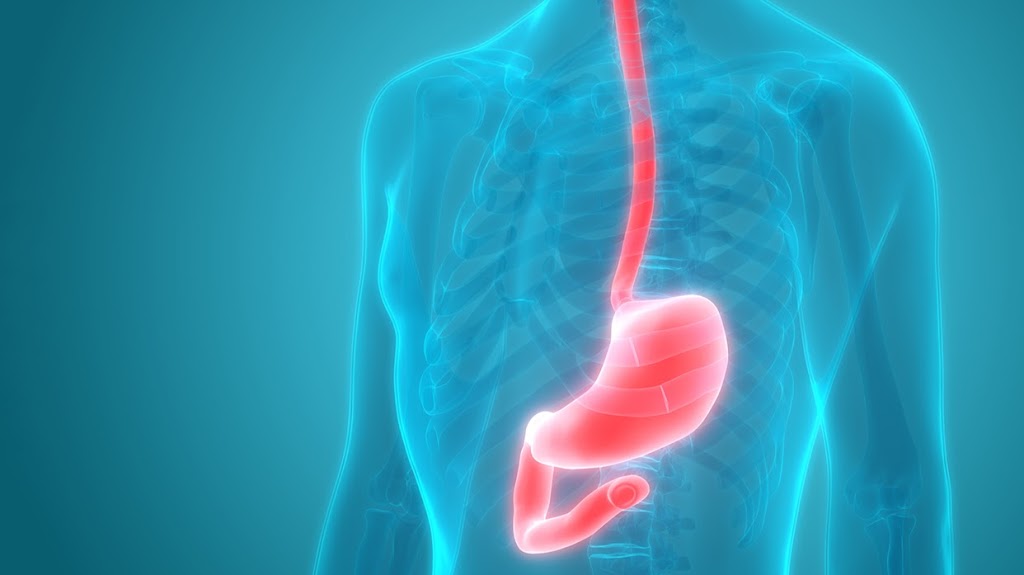
Gastric sleeve surgery is abariatric surgicalprocedure that reduces the size of the stomach, enabling the patient to eat less. This procedure is typically performed laparoscopically, and approximately 80% of the stomach is removed. The remaining stomach takes on a tube-like shape, which both increases the feeling of fullness and reduces calorie intake. However, this surgery is recommended not only for those who want to lose weight but also for those struggling with health issues related to obesity. So, who needs this surgery? The answer lies in the weight and health criteria we will explain in detail shortly.
What Is the Minimum Weight Requirement for Gastric Sleeve Surgery?
The answer to the question "What weight do you need to be to qualify for gastric sleeve surgery?"is directly related to a person’sBody Mass Index (BMI). BMI is calculated by dividing your weight by the square of your height and determines your level of obesity. Generally, the following criteria are used to determine eligibility for gastric sleeve surgery:
- BMI of 40 or higher:This is classified as morbid obesity. For example, a person who is 1.70 meters tall and weighs approximately 115 kilograms or more falls into this category.
- BMI 35–39.9:Individuals in this range may be candidates for surgery if they are experiencing serious health issues related to obesity (such as diabetes, hypertension, or sleep apnea). For example, a person who is 1.65 meters tall and weighs between 95 and 110 kilograms would fall into this category.
- BMI 30–34.9:In rare cases, if weight-loss methods have failed and there are serious health risks, surgery may be considered upon a doctor’s recommendation.
Associate Professor Mesut Sipahi emphasizes that these criteria must be evaluated on an individual basis. In other words, decisions are not made based solely on weight; overall health and lifestyle are also taken into account.
Who Is Eligible for Gastric Sleeve Surgery?
Gastric sleeve surgery is not a suitable option for everyone. In addition to weight criteria, the following conditions are also taken into consideration:
- Age Requirement:Generally, individuals between the ages of 18 and 65 are preferred. However, special circumstances may be considered for younger or older individuals.
- Medical Condition:Obesity-related issues such as diabetes, heart disease, or fatty liver disease may influence the decision to undergo surgery.
- Weight Loss Experience:A history of being unable to lose weight through diet and exercise supports the need for surgery.
- Psychological Readiness:Priority is given to individuals who can adapt to lifestyle changes following surgery.
If you’re wondering,“How much do I need to weigh to qualify for gastric sleeve surgery?” the best course of action is to calculate your BMI and consult a specialist.
Preoperative Preparation Process for Gastric Sleeve Surgery
When you decide to undergo surgery, the process isn’t limited to just weight loss. According to Assoc. Prof. Dr. Mesut Sipahi, the preparation phase is critical to a successful operation. What happens during this phase? Here are the details:
- Medical Evaluation:Tests such as blood tests and heart and lung examinations are performed.
- Dietitian Consultation:Weight loss may be necessary before surgery; this reduces surgical risks.
- Psychological Support:Support is available to help you adjust to new habits after surgery.
This process ensures that you are physically and mentally prepared for surgery. In addition to your weight, your overall health is also a key factor at this stage.
How Does the Post-Surgery Weight Loss Process Work?
Weight loss after gastric sleeve surgery depends on the individual’s effort and discipline. In the first month, patients start with a liquid diet, and the stomach is gradually reintroduced to solid foods. On average:
- First 3 months:10–15% of total body weight is lost.
- Within 6 months:A weight loss of 20–30% is observed.
- After 1 year:60–80% of excess weight can be lost.
Associate Professor Mesut Sipahi emphasizes the importance of regular follow-ups and adherence to a nutrition plan during this process. Just as the question"What is the required weight for gastric sleeve surgery?"is important, preparing for the post-operative period is also a critical detail.
What Are the Benefits and Risks of Gastric Sleeve Surgery?
As with any surgical procedure, gastric sleeve surgery has both benefits and risks. Here is a list of them:
Advantages:
- Rapid Weight Loss:Health problems associated with obesity are reduced.
- Long-Term Solution:Weight regain can be prevented by adopting a healthy lifestyle.
- Quality of Life:Promotes physical and psychological well-being.
Risks:
- Surgical Complications:Rare complications such as infection or bleeding may occur.
- Nutritional Deficiency:Vitamin and mineral supplements may be necessary.
- Long-Term Adherence:If dietary and exercise habits are not maintained, effectiveness may decrease.
These benefits and risks should be carefully weighed before deciding to undergo surgery.
Frequently Asked Questions
What Factors Other Than Weight Are Important for Gastric Sleeve Surgery?
In addition to weight, obesity-related health issues and the individual’s motivation also play a key role.
Can I Lose Weight Without Surgery?
Yes, but if you are morbidly obese, non-surgical methods are generally insufficient.
How Much Weight Can You Lose with Gastric Sleeve Surgery?
This depends on the individual’s starting weight and compliance; typically, 60–80% of the excess weight is lost.
The answer to the question “What weight do you need to be to qualify for gastric sleeve surgery?”depends on your BMI and overall health. As Assoc. Prof. Dr. Mesut Sipahi emphasizes, while this surgery offers an effective solution for combating morbid obesity, success is enhanced through proper preparation and follow-up care. You can make a healthy start by consulting a specialist to learn about weight criteria and take the first step toward the surgical process. Saying goodbye to obesity means not just losing weight, but also adopting a new lifestyle!